Last updated November 21, 2026
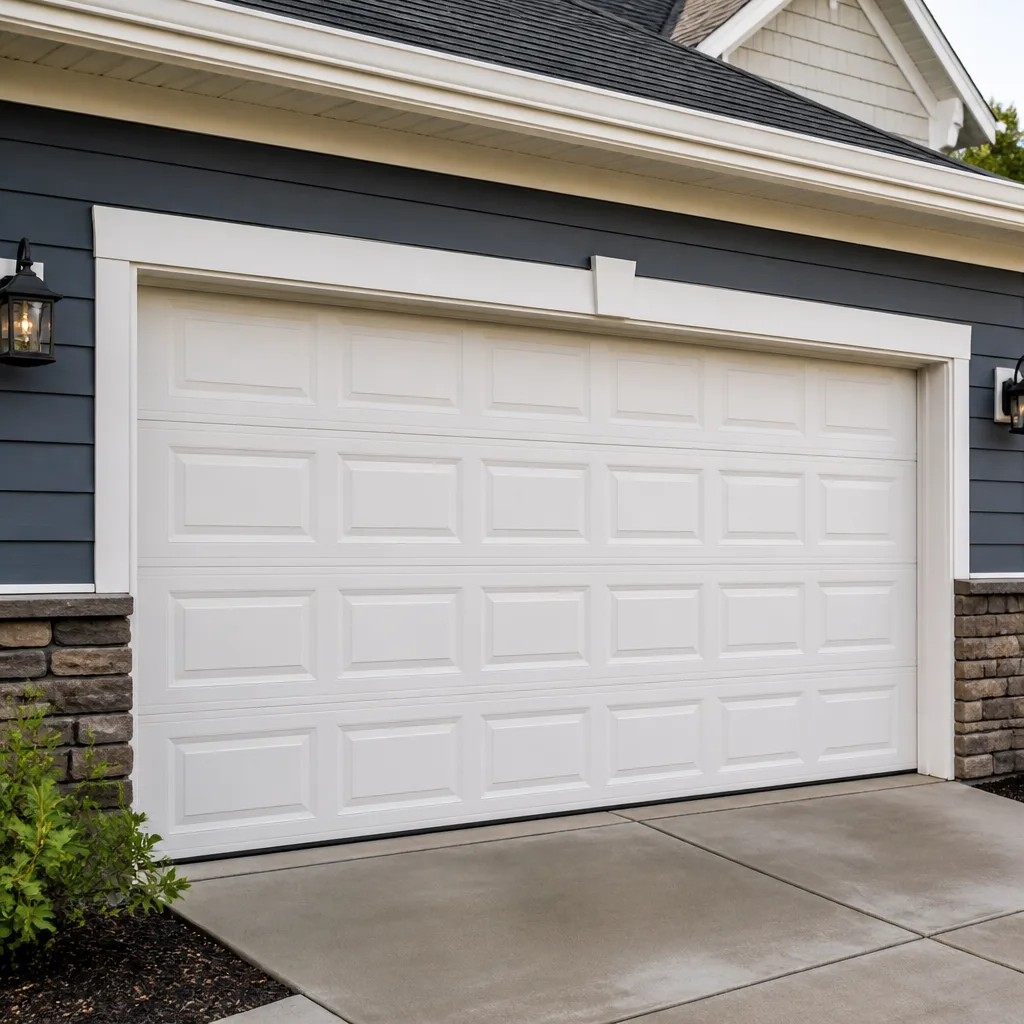 Raised-panel steel
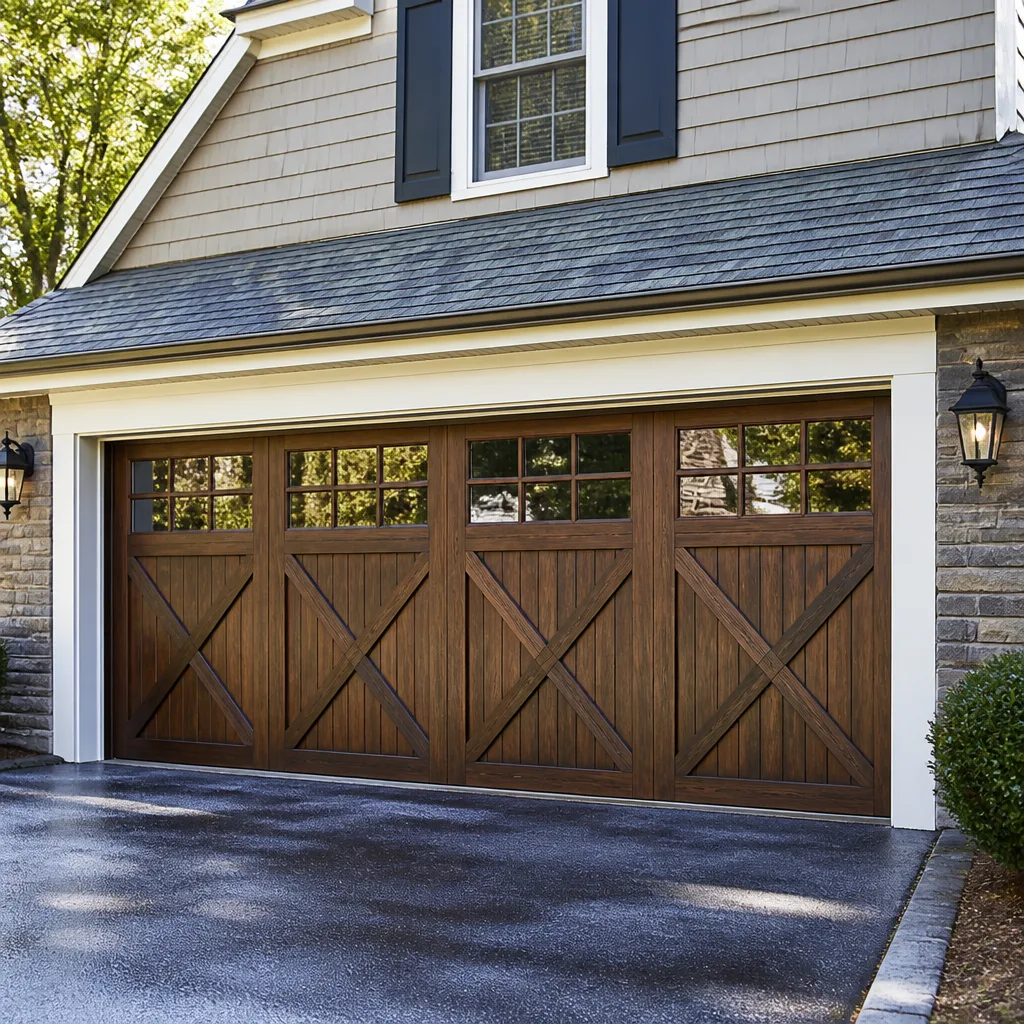 Carriage house
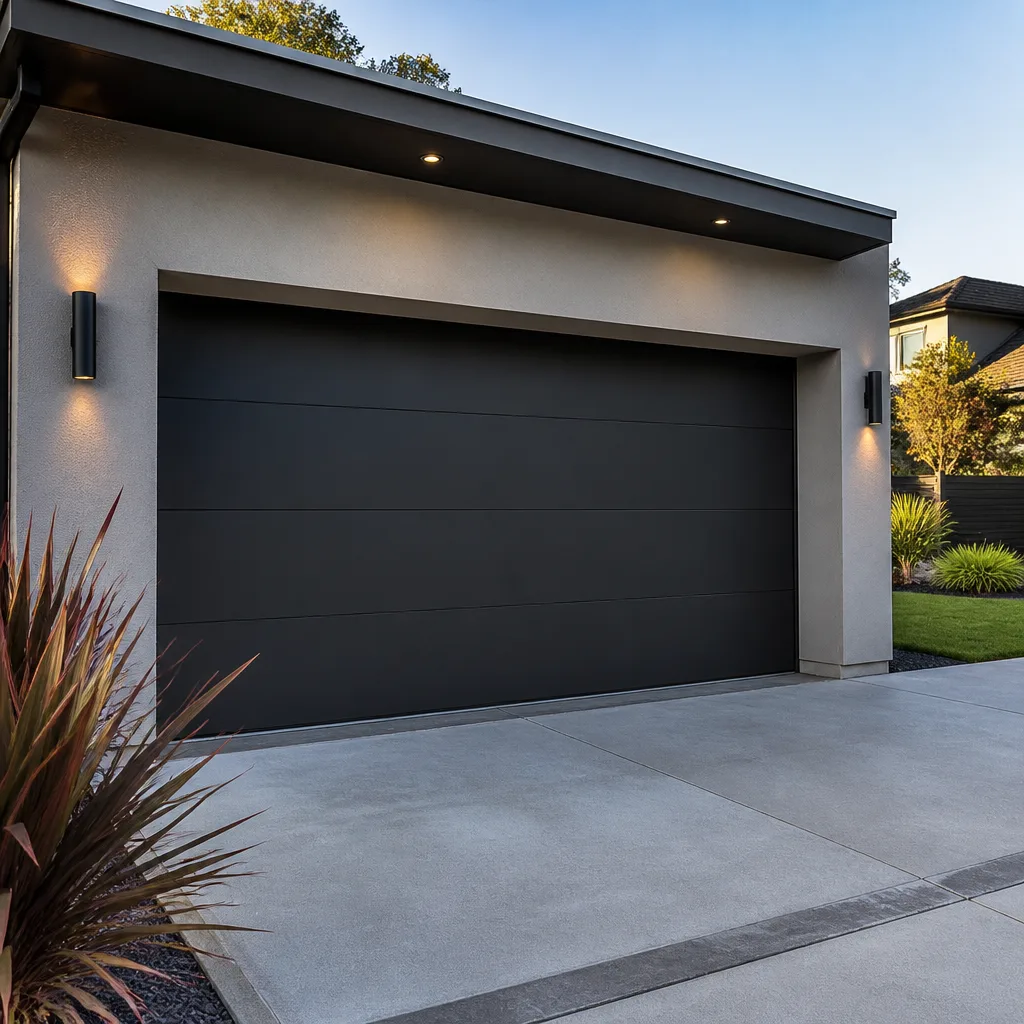 Modern flush
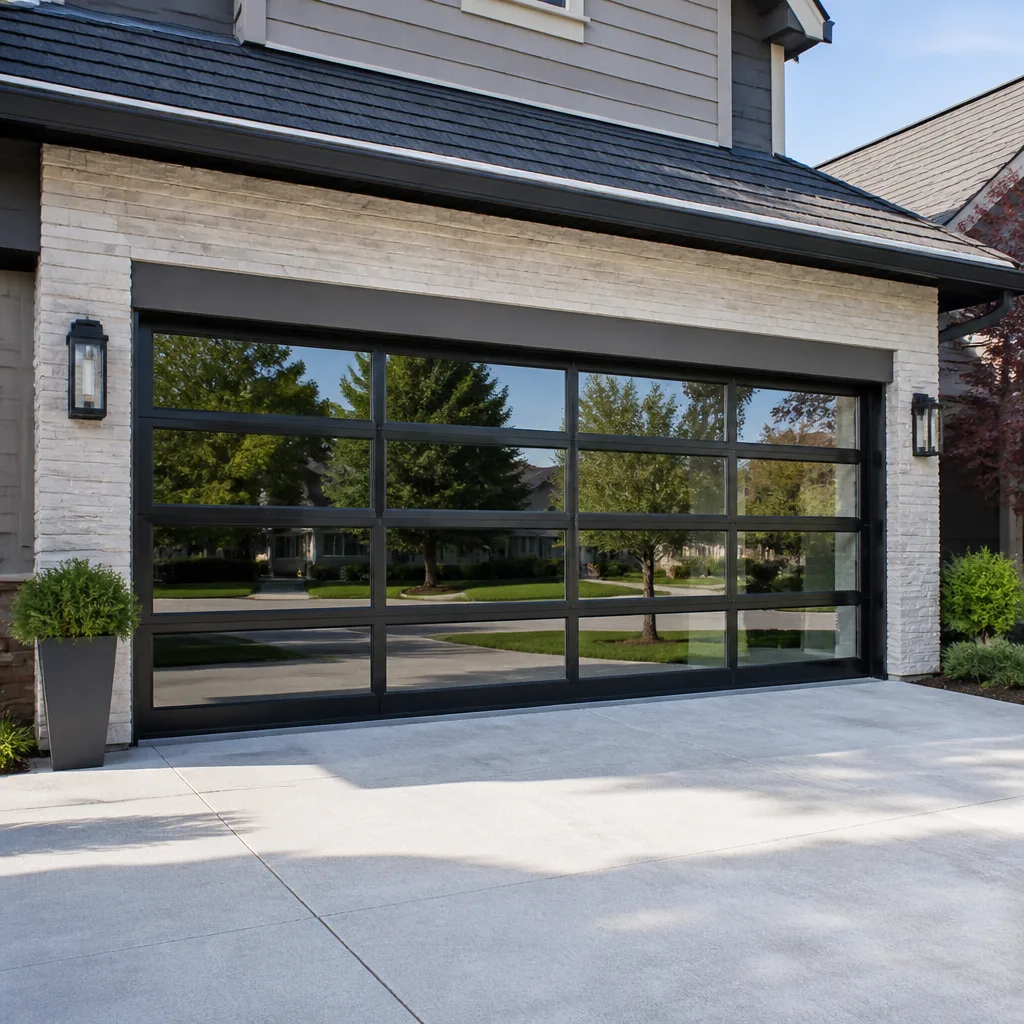 Full-view glass
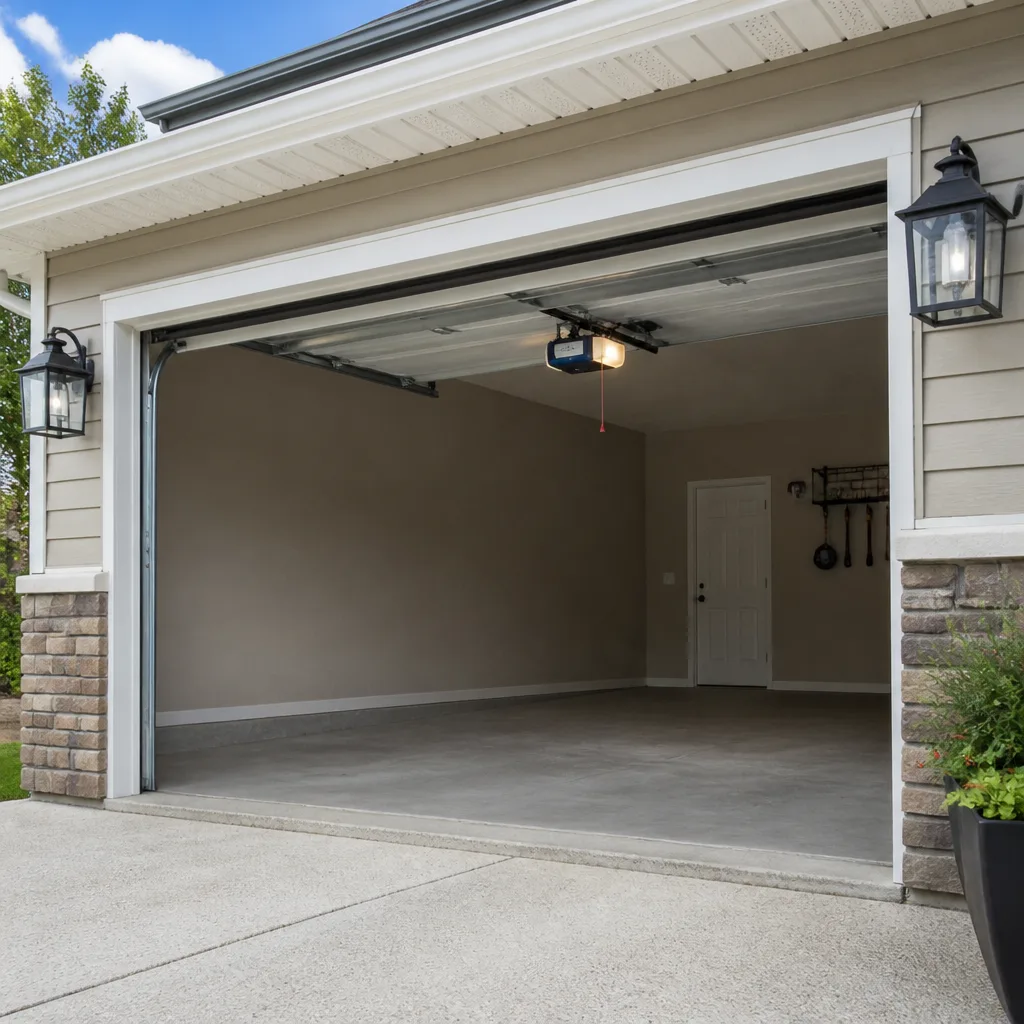 LiftMaster openers
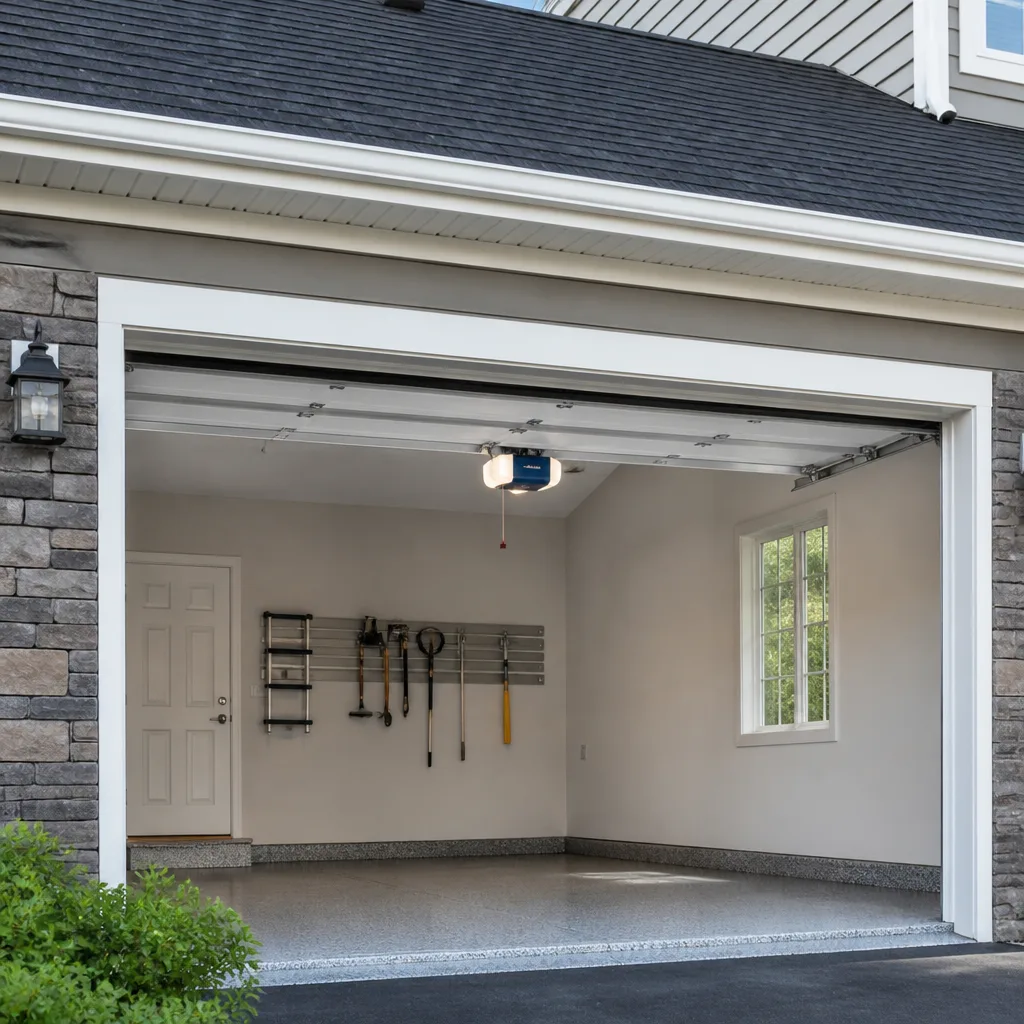 Chamberlain openers
Full 25-point door and opener safety check with every visit - springs, cables, rollers, tracks, and your LiftMaster or Chamberlain opener included
You get a price before we start. It does not change when the pro arrives.
Get your free estimateGarage Door Permits, Codes & Inspections in Wellington, FL: What You Need to Know
Most Wellington homeowners assume a garage door replacement is a simple swap that never touches the building department. It’s a reasonable guess, and it’s wrong often enough to cost real money later. A door is an exterior opening in a structure built to resist wind, and Palm Beach County treats it that way. Skip the paperwork and the consequences tend to surface at the worst possible moment: a buyer’s inspection, an insurance review, or an appraisal. This guide walks through when a permit is actually required in Wellington, what the inspection checks, how wind-load rules shape which door you can buy, and what to do if an earlier owner left you with unpermitted work. Our goal is to make compliance plain rather than intimidating.
Quick Answer
A garage door replacement in Wellington, FL generally requires a permit when you change the door’s size, material, model, or wind-rating, and it’s usually exempt when a permitted contractor performs a true like-for-like repair or replacement of the exact same rated product. The permit is issued through the Palm Beach County Building Division under the Florida Building Code’s wind-load provisions, and the job isn’t finished until it passes inspection. When in doubt, call the county before the door goes up, not after.
Styles & brands we work with
- Raised-panel steel
- Carriage house
- Modern flush
- Full-view glass
- LiftMaster openers
- Chamberlain openers
Table of Contents
- When Does a Garage Door Replacement Need a Permit in Wellington?
- Like-for-Like Repair vs. Replacement: Where the Line Falls
- What the Inspection Actually Checks
- Wind-Load Compliance and Choosing the Right Door
- How to Spot Unpermitted Work and Fix It
- Contractor vs. Homeowner: Who Pulls the Permit?
- The Permit Process, Step by Step
- Common Mistakes to Avoid
When Does a Garage Door Replacement Need a Permit in Wellington?
A garage door needs a permit whenever the work changes the door’s performance characteristics, its opening size, or the structural attachments. In Palm Beach County, the Building Division draws the line based on what leaves the property afterward, not on how many hours the job takes. If the new door is the same model, same rating, same dimensions, and it’s installed by a licensed contractor, it’s commonly treated as a repair. Change any one of those variables and it’s an alteration, which means a permit.
Here’s the practical list of triggers we run through with Wellington homeowners before we order anything:
- Different door model or manufacturer. Moving from a Clopay to a different rated product means new product approval documentation.
- Different size opening. Any change to width or height, even an inch, affects the header and anchorage.
- Different material. A steel door swapped for an aluminum or wood door has a different approval listing.
- Different wind-rating. Upgrading or downgrading the design pressure rating changes the assembly.
- New structural framing or a rebuilt header. Structural work always requires a permit.
- Replacing a door and opener together when the opener wiring is altered. Electrical changes fall under the electrical code.
Wellington sits in a wind zone where exterior openings are held to a specific standard, so the county has a clear reason to want eyes on the door. That’s the whole story behind the requirement. It isn’t bureaucracy for its own sake.
Like-for-Like Repair vs. Replacement: Where the Line Falls
Like-for-like means the new door matches the old one in every way that matters to the building code: same size, same material, same wind-rating, same anchoring system, on the same opening. In that case, the job is commonly handled as a repair. Technicians who do this work every day still check with the county first, because the same job can land in different buckets depending on how the original permit described the door.
Replacement means anything that changes the assembly. In our experience, these jobs get classified as replacement far more often than homeowners expect:
- Swapping a builder-grade door for a heavier insulated model. Weight and spring balance change, and the anchorage may need to change with it.
- Adding a hurricane-rated door where the original had no rating. The whole assembly has to be documented as compliant.
- Replacing a single door with a double, or vice versa. The opening itself changes.
- Replacing a door plus adding a new opener circuit. The wiring work is separate from the door, and both need to be accounted for.
- Rebuilding a rotted header or replacing damaged jambs during the swap. Structural repair pulls the job into permit territory.
One nuance that trips up Wellington homeowners: a door that was installed under an older code may not match the current ratings on paper. If your home was built before the current wind-load provisions, a straight replacement of the same “size” door can still be a code upgrade, and the county will want a permit for it. A quick records check answers the question in minutes. Our garage door installation work always starts with that check, because the last thing we want is a surprise at the final inspection.
What the Inspection Actually Checks
A garage door inspection is short and specific. The inspector is verifying that the door you installed is the door you were permitted to install, that it’s anchored per the approved plans, and that any related electrical work is compliant. Nothing poetic. You’ll know within minutes whether it passed.
The three items that matter most:
- Product approval number on the door. The label on the door has to match the approval document submitted with the permit. Florida maintains a statewide product approval database, and the inspector will reference it. Missing or mismatched labels are the most common reason a door fails inspection.
- Anchorage method. The number, type, and placement of fasteners has to match what the approval listing calls for. Inspectors check the perimeter anchors and the center posts. Using the wrong screws, or missing anchors, is a fail.
- Opener wiring if it was replaced at the same time. If the opener was part of the permit, the electrical portion gets reviewed: junction box, disconnect, GFCI protection where required by the current code. A LiftMaster or Chamberlain unit installed to spec passes without drama; a shortcut wiring job doesn’t.
The inspector is not there to grade the aesthetics. They’re there to confirm wind resistance and safe electrical installation. A clean install gives them what they need and the job closes out the same visit.
Wind-Load Compliance and Choosing the Right Door
Florida Building Code Section 1609 sets the wind-load requirements that every exterior assembly, including a garage door, has to meet. The code assigns a design pressure based on where the building sits, its height, its exposure, and whether it’s in a protected or unprotected opening. Wellington’s wind zone means most homes need a door rated for a defined positive and negative design pressure, and the door’s product approval has to show it meets that number for that specific size.
A few things worth understanding before you shop:
- Wind rating is size-specific. A door rated for one width isn’t automatically rated for a wider opening. The approval covers a range, and your exact size has to fall inside it.
- Design pressure is not a real-world speed. The rated number is a structural test value, not a forecast threshold. Don’t confuse the two.
- Reinforcement matters. Many rated doors rely on specific struts, brackets, and anchors to hit their design pressure. If those parts are missing or substituted, the assembly is out of compliance even if the door itself is rated.
- The opener isn’t the rating. An opener built by Genie or LiftMaster can be excellent, and it has no bearing on whether the door meets wind-load requirements. Those are separate systems.
When you buy a door from a manufacturer like Clopay or Amarr, the approval listing comes with the product. The contractor’s job is to install it exactly as the listing requires. That’s the part that gets inspected, and it’s the part that determines whether the permit closes out clean. Getting this right from the start is cheaper than correcting it later.
How to Spot Unpermitted Work and Fix It
Unpermitted garage door work shows up in three places: the county’s permit records, the door itself, and the paperwork you may or may not have received when you bought the house. If any of the three looks off, it’s worth confirming before you need to sell.
Start with these checks:
- Look up the property’s permit history. Palm Beach County’s online portal lets you pull permits by address. Compare what’s on file against what’s physically installed.
- Find the product approval label. Every rated door has a label with the manufacturer and approval number. If it’s missing or doesn’t match the original permit, that’s a flag.
- Compare the door to the home’s original build. A door from a different manufacturer than the rest of the street, or a style that doesn’t match the era of the house, is a hint a previous owner swapped it.
- Check the anchorage. Uneven or missing anchors on the perimeter are common on old installs and are the first thing an inspector will catch.
- Look at the opener. New opener, old door hardware, or wiring that isn’t in a proper junction box: those are routine signs of DIY replacement.
If you find unpermitted work, the fix is called an “after-the-fact” permit. You apply as if you were doing the work now, submit the product approval and photos of the installation, and the county inspects what’s already there. If the existing door and anchors meet the current code for their size, it passes. If they don’t, you’ll need to bring the assembly into compliance. It’s a manageable process, and it’s far easier to handle on your schedule than during a sale.
Contractor vs. Homeowner: Who Pulls the Permit?
In Florida, the licensed contractor doing the work is the party who pulls the permit. That’s not a formality. It’s the legal mechanism that puts the contractor on record as responsible for the installation, and it’s why the county can hold someone accountable if the work doesn’t pass. When a homeowner pulls their own permit, they take on that responsibility, and the county will hold them to it.
What that means in practice:
- The contractor’s name goes on the permit and they sign the application. The license number belongs to them.
- The contractor is responsible for the inspection. They schedule it, they’re on site for it, and they correct anything that fails.
- The homeowner is responsible for authorizing the work and for the outcome. If you hire an unlicensed installer, you own the consequences.
- Landlords and property managers can’t delegate this away. If you own a rental in Wellington, the permit still attaches to the property.
This is the strongest argument for hiring a specialist rather than a general handyman for any garage door job that touches the structure or the wind-rating. When the door fails inspection, you want a contractor whose name is on the permit and whose license is on the line. That’s the arrangement. Our garage door repair team approaches every job with the same question first: does this need a permit, and if so, whose name is going on it?
The Permit Process, Step by Step
The permit process is faster than most people fear. Once the door is chosen and measured, the paperwork is typically a same-week exercise, and the inspection itself is short. Here’s how it generally runs for a Wellington garage door replacement:
- Confirm what’s on file. Pull the property’s permit history through Palm Beach County’s portal. This tells you whether the current door was permitted and what rating it was approved for.
- Select the door and confirm its product approval. The door’s approval listing has to match your exact opening size and the design pressure for the home’s location.
- Submit the permit application. The licensed contractor files the application with the county, attaching the product approval and a description of the work.
- Receive the permit and start the work. Installation can proceed once the permit is issued. Store the permit card on site for the inspector.
- Schedule the inspection. Once the door is installed and the anchors are set, the contractor calls for inspection. The inspector checks the label, the anchorage, and any related electrical work.
- Pass and close out. The inspection is recorded, the permit is closed, and the door is officially compliant. Keep the paperwork with your home records.
One practical note for Wellington: the county’s inspection schedule fills up during peak remodeling periods. A permit pulled early gives you room to schedule and avoids holding up the door install. If a spring or opener failure has pushed you into replacement sooner than planned, a well-organized contractor can typically keep the timeline tidy. For issues that don’t require a permit, our garage door opener repair service handles the electrical side and the door hardware in one visit, and we’ll tell you plainly whether the job crosses into permitted work.
Common Mistakes to Avoid
- Assuming every replacement is exempt. A like-for-like swap can skip the permit. Change the model, material, or wind-rating and it usually can’t. Verify, don’t guess.
- Hiring the installer before checking the door’s approval. A door that isn’t rated for your opening will fail inspection no matter how well it’s installed. Choose the door first, permit second.
- Letting an unlicensed installer pull nothing. If your contractor won’t put their license on the permit, that’s the message. Take the work elsewhere.
- Ignoring a missing product approval label. The label is what the inspector reads. A door with no label fails regardless of the actual installation quality.
- Replacing the door and opener together without separate electrical documentation. Wiring changes fall under the electrical code and need to be part of the transition.
- Skipping the permit on the assumption it saves money. The permit itself is modest; the resale consequences of unpermitted work are not. Escrow holds and after-the-fact permit fees often dwarf the original permit cost.
- Treating an after-the-fact permit as a crisis. It’s a process, not a disaster. The right contractor handles it routinely.
What Permits and Inspections Cost in Wellington
Permit fees for a garage door replacement in Wellington typically run in the $75 to $200 range depending on the door’s value and the county’s current fee schedule, and the inspection is usually included in that permit fee. A separate electrical permit for opener wiring, if one is required, adds a modest surcharge. Contractor labor and materials are separate. Here’s a rough line-item view:
- Garage door replacement permit (single door): typically $75 to $200
- Electrical permit (if opener wiring is altered): typically $40 to $100
- After-the-fact permit (already-installed door): typically higher than a regular permit, plus inspection fees, since the county is retroactively reviewing work
- Bringing an unpermitted door into compliance (hardware, anchors, or full replacement): varies widely depending on what’s missing
These are estimates, not fixed prices. The county’s published fee schedule is the authority, and any contractor quote you receive should quote the permit fee separately so you can see it. We always itemize it. Ask any contractor to do the same, and confirm the price is agreed before work starts, not negotiated at the end.
See the difference
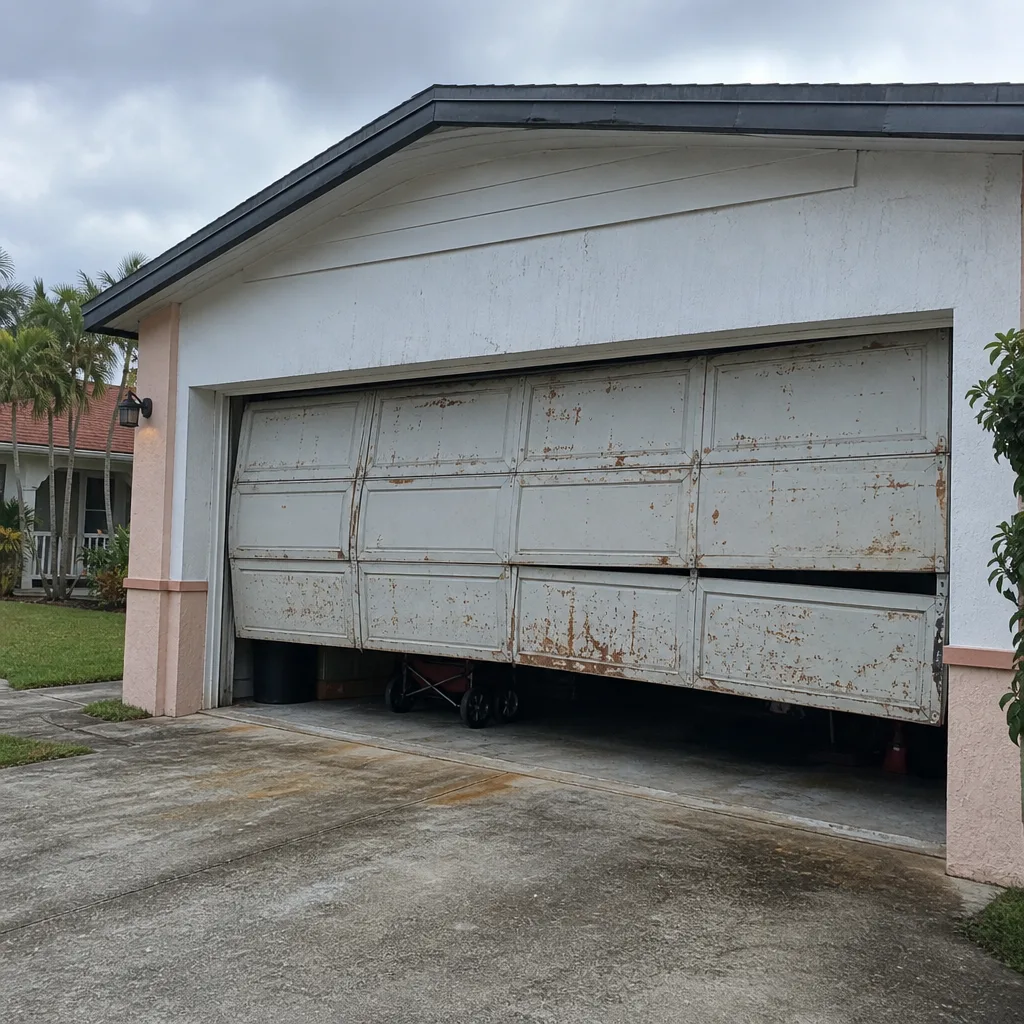 Before
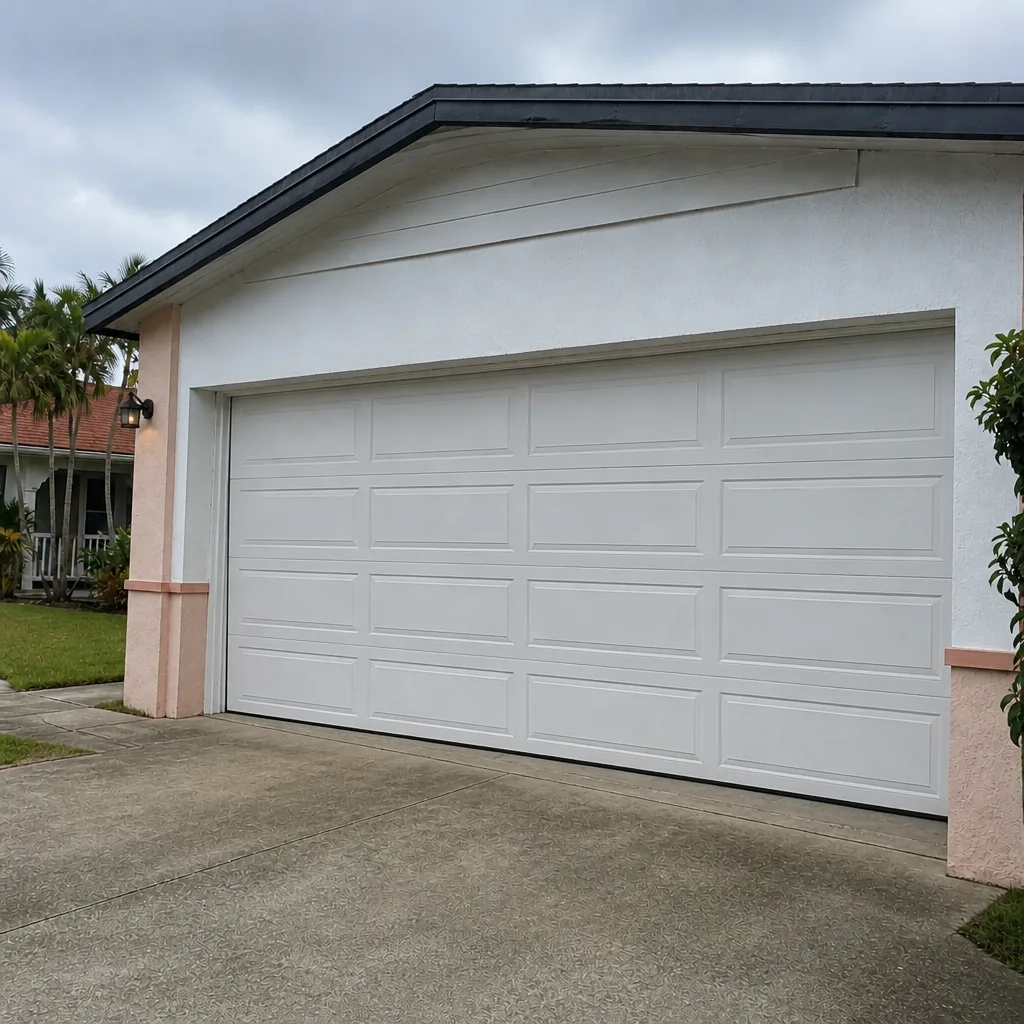 After
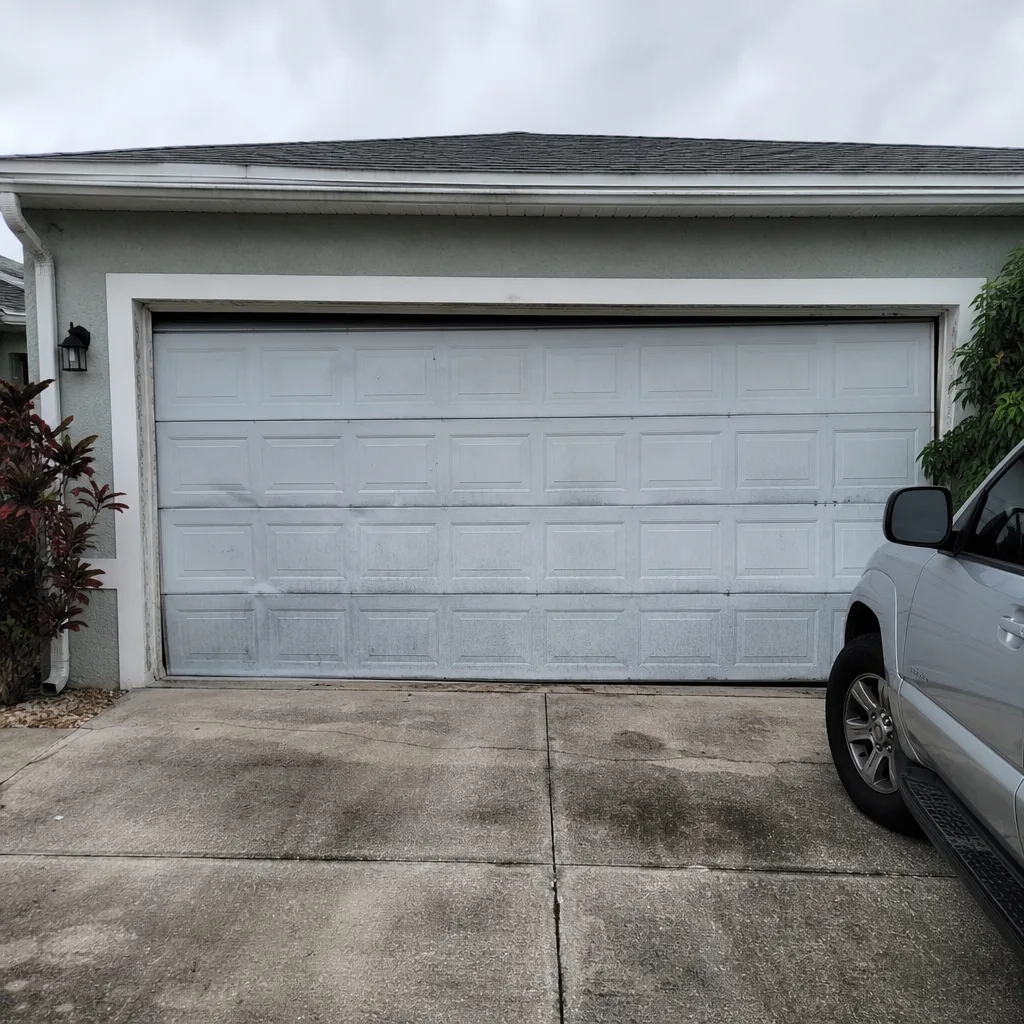 Before
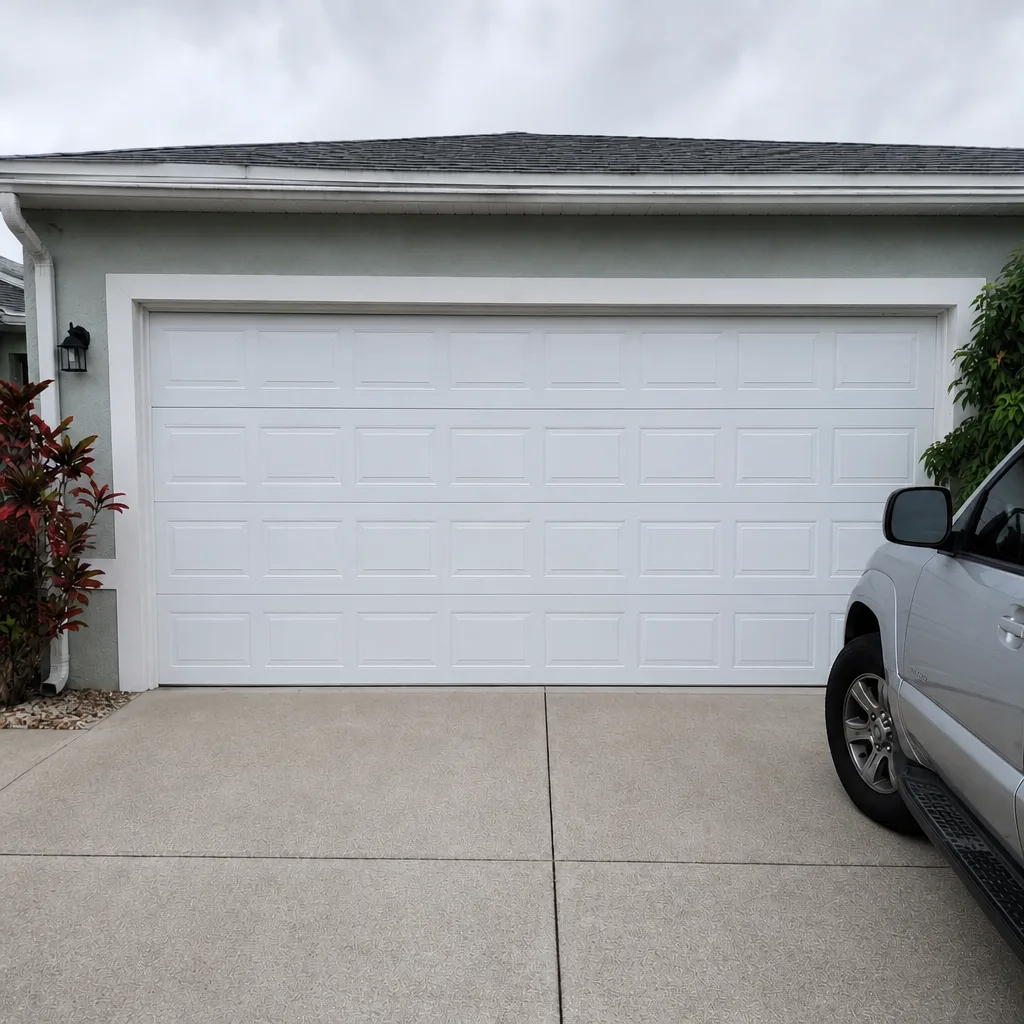 After
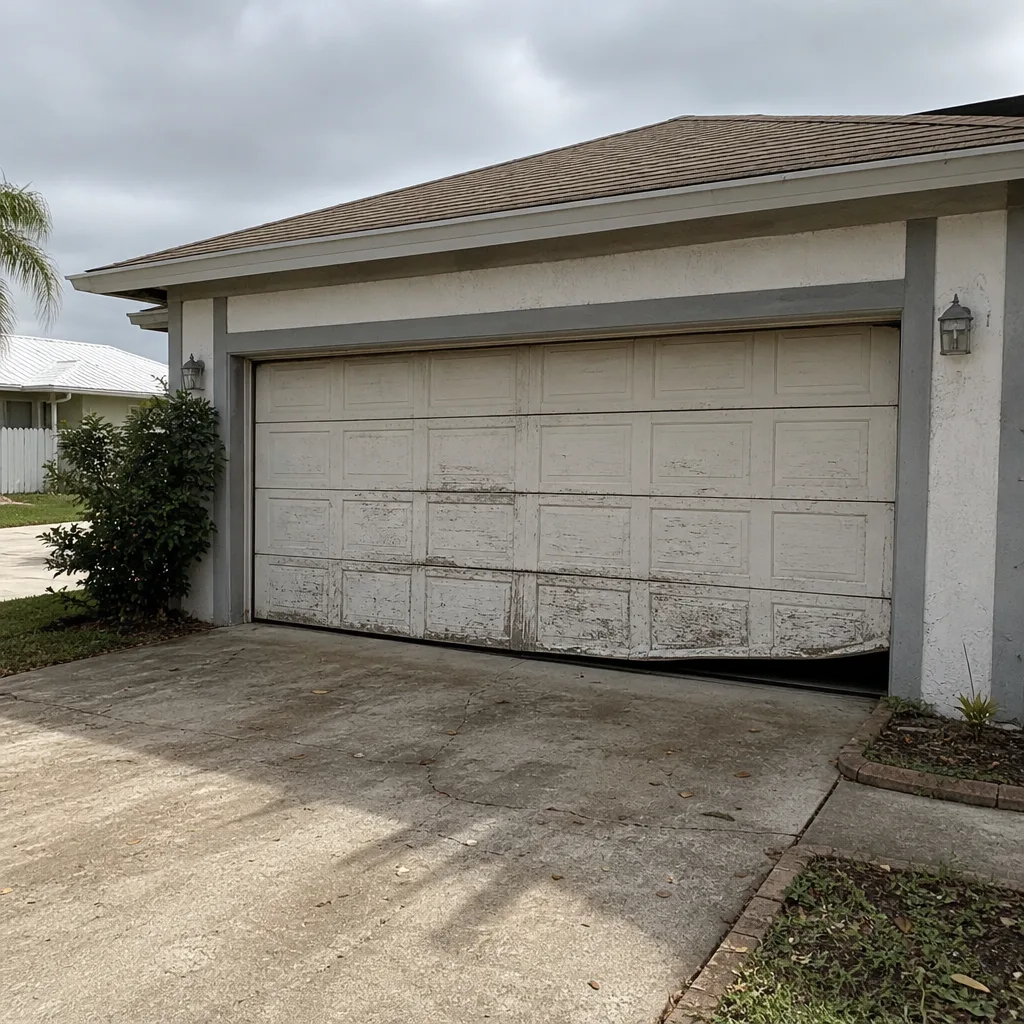 Before
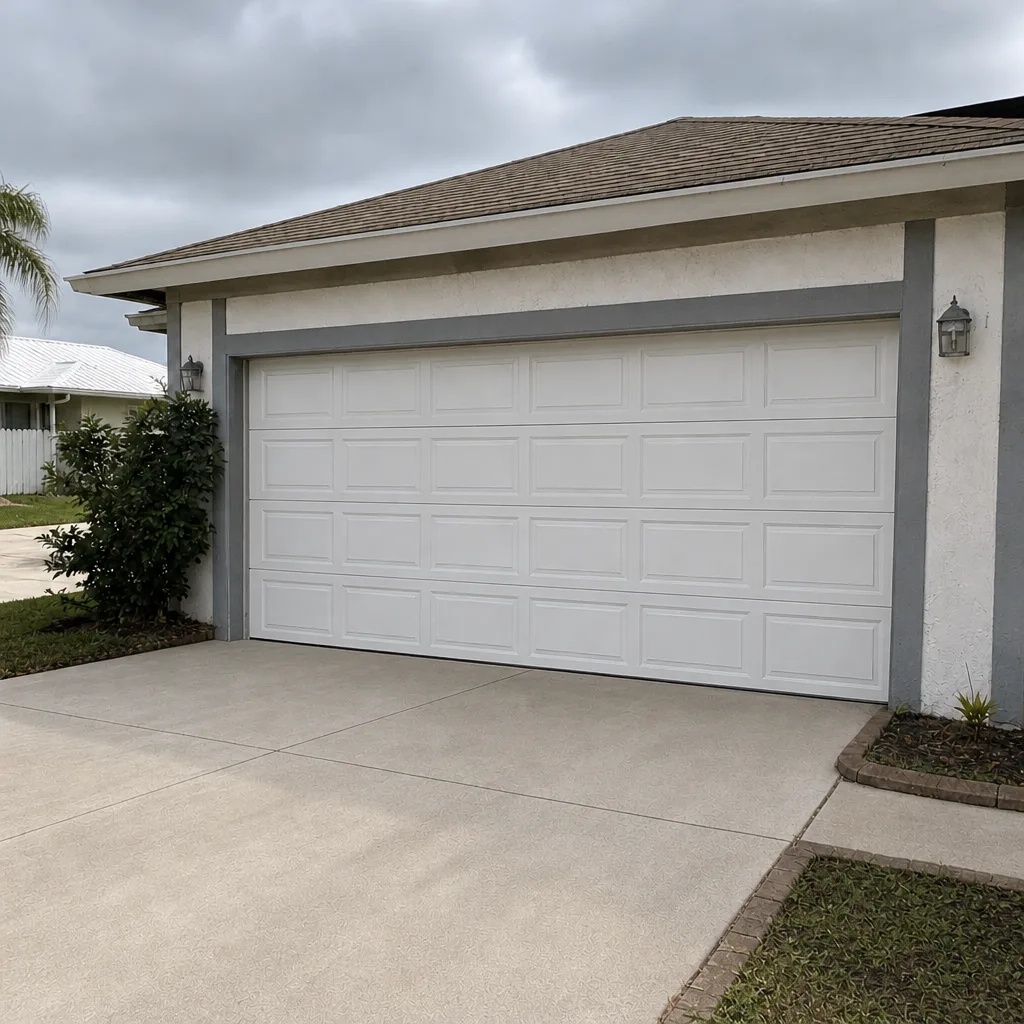 After
How Wellington’s Climate Shapes Door and Permit Decisions
Wellington’s heat and humidity are hard on door hardware. Steel doors rust at the hinges and bottom sections, wood doors swell and warp, and opener components fail sooner than they would in a drier climate. That matters for permits in one specific way: when a door has degraded to the point that it no longer meets the assembly’s rated performance, replacement isn’t optional for compliance, and the county will want to see a permitted fix. Routine spring and hinge service, on the other hand, doesn’t require a permit. Those are maintenance, and they keep the door inside its rated range longer.
Aging openers are a related issue. Genie and LiftMaster units run for years in Florida humidity, but the wiring boxes and photo-eye sensors degrade with heat. If a replacement door is happening anyway, inspecting the opener circuit at the same time often saves a second visit and clarifies whether the electrical permit needs to be pulled now or later. In our experience, homeowners who plan the door and opener work together end up with a cleaner inspection and a shorter job.
None of this is Wellington-specific in the sense of unusual rules. It’s the intersection of the county’s wind-load requirements with the local climate, and both point in the same direction: install to spec, keep it maintained, and treat the permit as part of the job.
When to Call a Professional
Call a specialist when the door is failing structurally (broken spring, off track, snapped cable), when you’re planning a full replacement, or when you’ve found evidence of unpermitted work from a previous owner. Those are all jobs where the paperwork, the wind-rating, and the anchorage are tied together, and a generalist is more likely to miss a step than a dedicated garage door company. Our technicians have up to 11 years of experience, and garage doors are all we do: repair, opener repair, spring repair, installation, and emergency service. We work on the brand you already have, whether that’s LiftMaster, Chamberlain, Clopay, Amarr, or another major manufacturer. Wellington Garage Door Repair Pros offers free estimates in Wellington and clear pricing on permit-related work: call (855) 658-3814.
Frequently Asked Questions
Usually yes, when the work changes the door’s model, material, size, or wind-rating. A true like-for-like replacement of the same rated product is commonly treated as a repair and may be exempt, but confirming with Palm Beach County’s Building Division before the door is ordered is the safe move. Call (855) 658-3814 for a free estimate on a permitted replacement.
The inspector checks three things: the product approval label on the door, the anchorage method and fastener count against the approved plans, and any related electrical work if an opener was replaced with the door. If all three match the permit, it passes. If any label or anchor is missing, it fails and has to be corrected before close-out.
You can sell it, but the unpermitted work often surfaces during the buyer’s inspection and can hold up closing or require an escrow set-aside until it’s corrected. Getting an after-the-fact permit before listing is usually the cleaner path. Call us for a free estimate on bringing it into compliance.
It depends on what’s wrong. An after-the-fact permit fees plus inspection typically run a few hundred dollars, and if the door or anchors don’t meet the current code for the opening, the correction cost goes up. Estimates are free; call (855) 658-3814 for a clear price on your specific situation.
The licensed contractor doing the work pulls the permit in Florida, and their name and license go on the application. That arrangement puts the contractor on the hook for the installation and the inspection. If a homeowner pulls their own permit, they take on that responsibility, and the county holds them to it.
They can physically install a door, but they often can’t pull the permit or produce the product approval documentation the county requires, and they’re usually not equipped for the safety-critical spring work or the opener electrical side. A dedicated garage door specialist is the right call when the job touches the wind-rating or the structure.
The Bottom Line
A garage door replacement in Wellington is a permitted job more often than homeowners think, and the reason isn’t bureaucracy: it’s the wind-load code. The county wants to verify that the door you installed matches the approval for your opening, is anchored to spec, and is wired correctly if the opener was replaced. The permit itself is modest, the inspection is short, and the paperwork is straightforward when a licensed specialist handles it. The expensive version of this story is the unpermitted swap that resurfaces at resale, and the cheap version is doing it right the first time. Pull the history, confirm the door’s approval, hire a specialist, and let the inspection close the job. That’s the whole playbook.
Wellington Garage Door Repair Pros connects homeowners across Wellington with independent local professionals, and the job starts with a free measure and a written estimate. Call (855) 658-3814 to schedule yours, and find more of what we cover at Wellington Garage Door Repair Pros and in our garage door spring repair guide.
Written by the team at Wellington Garage Door Repair Pros.