Last updated November 21, 2026
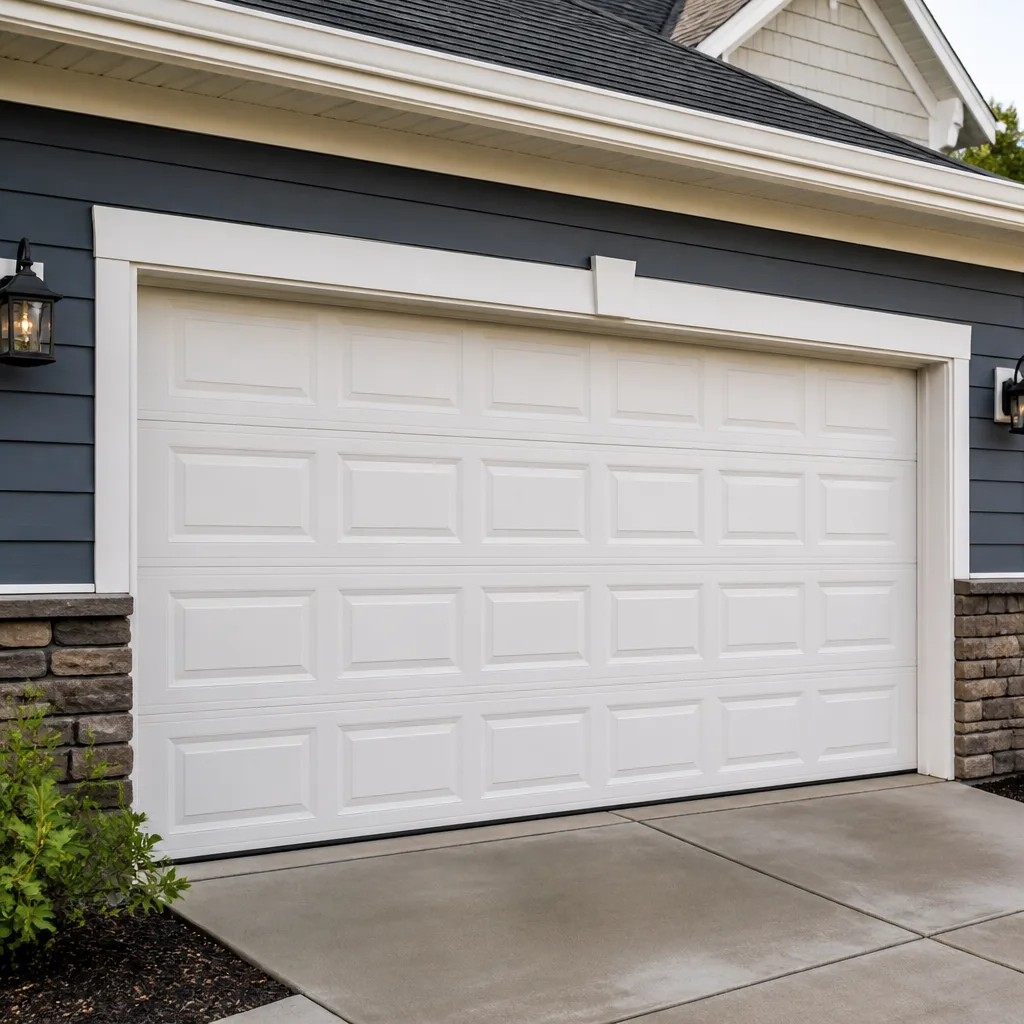 Raised-panel steel
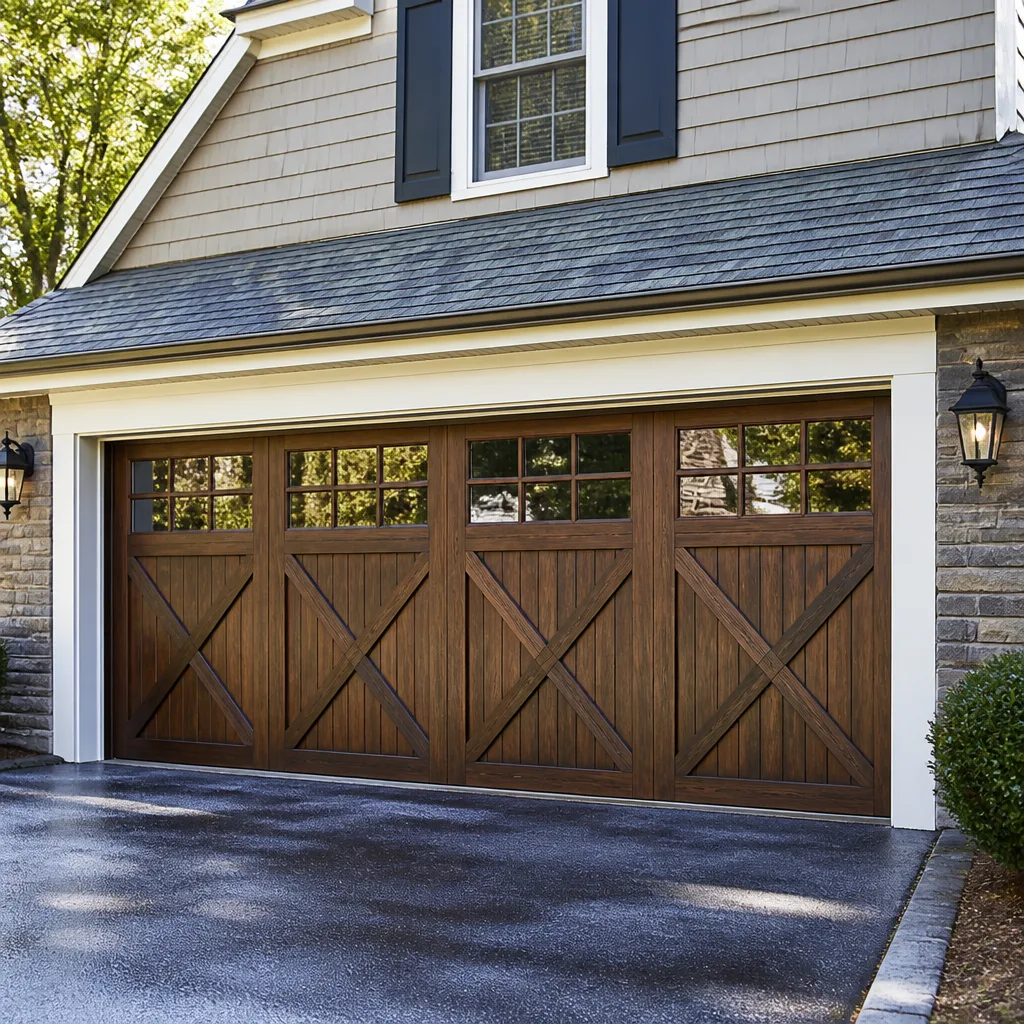 Carriage house
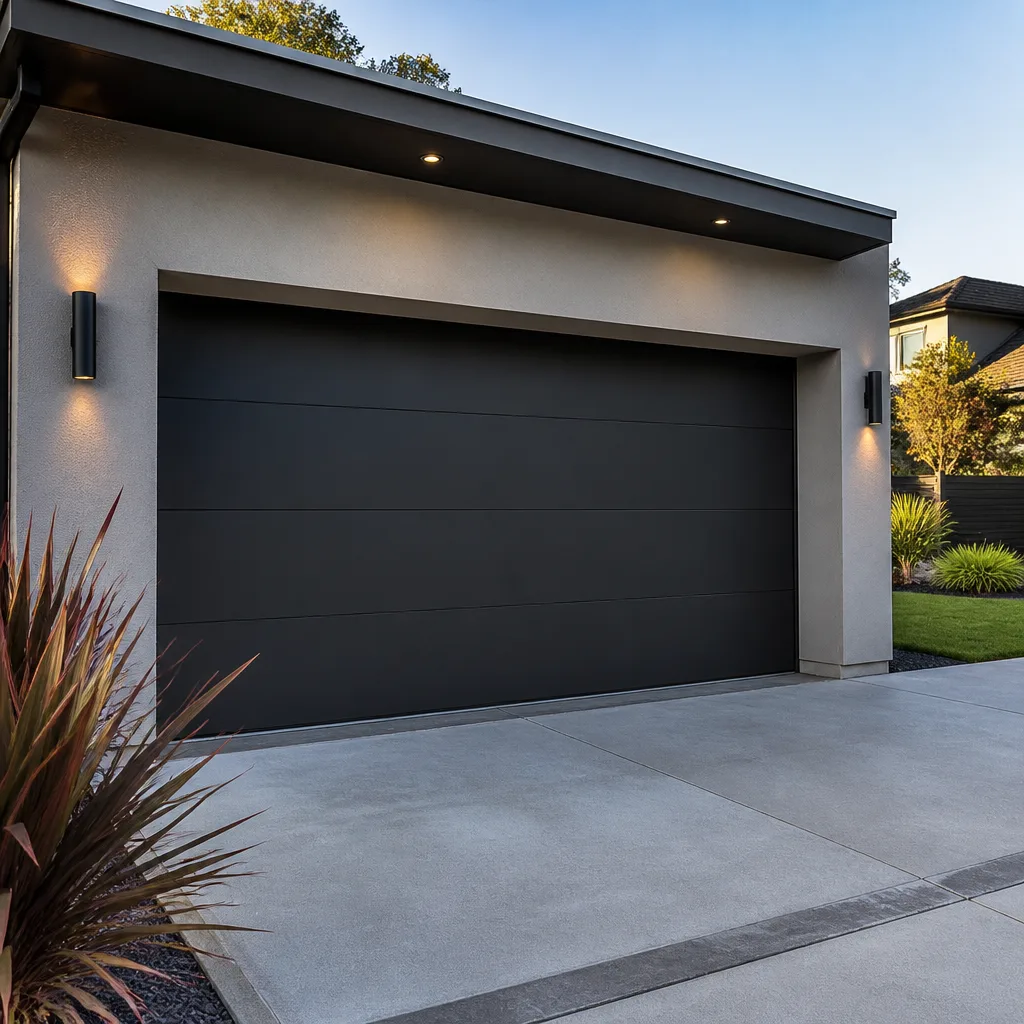 Modern flush
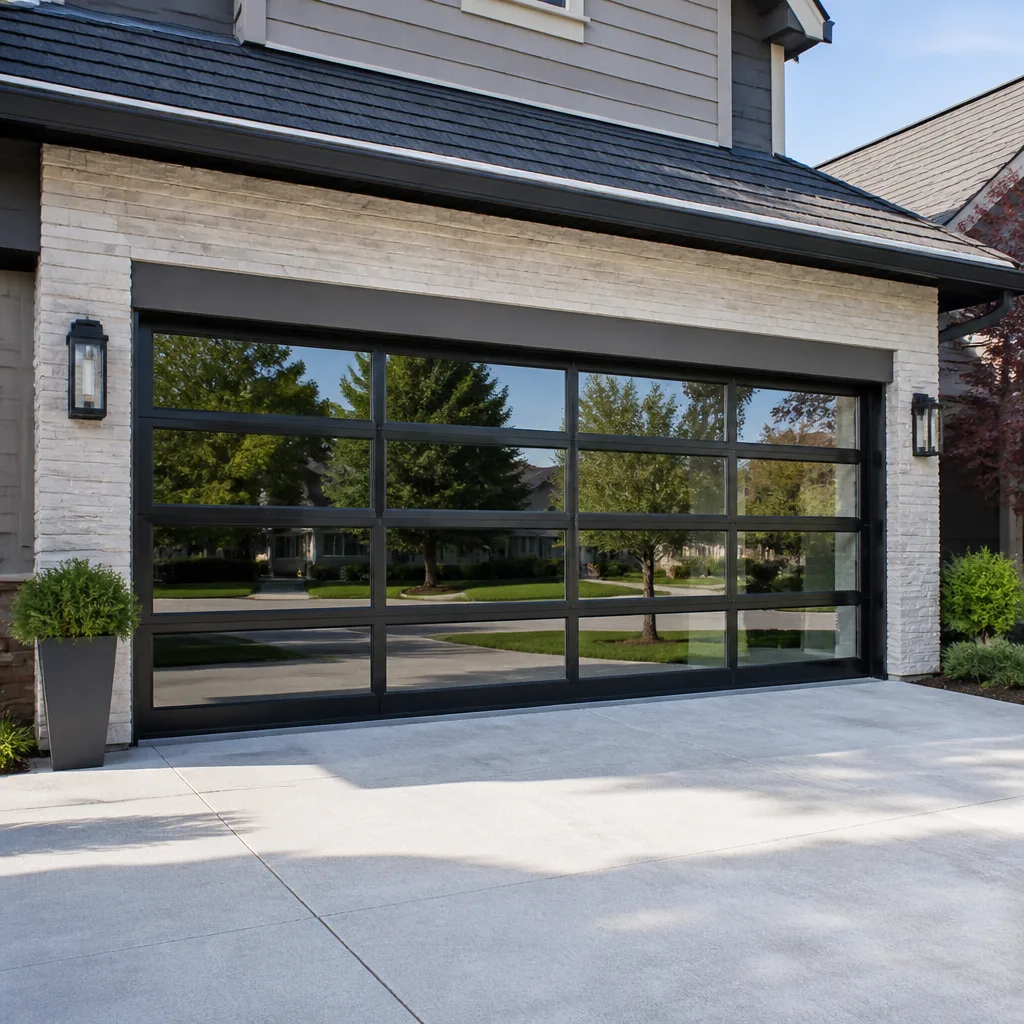 Full-view glass
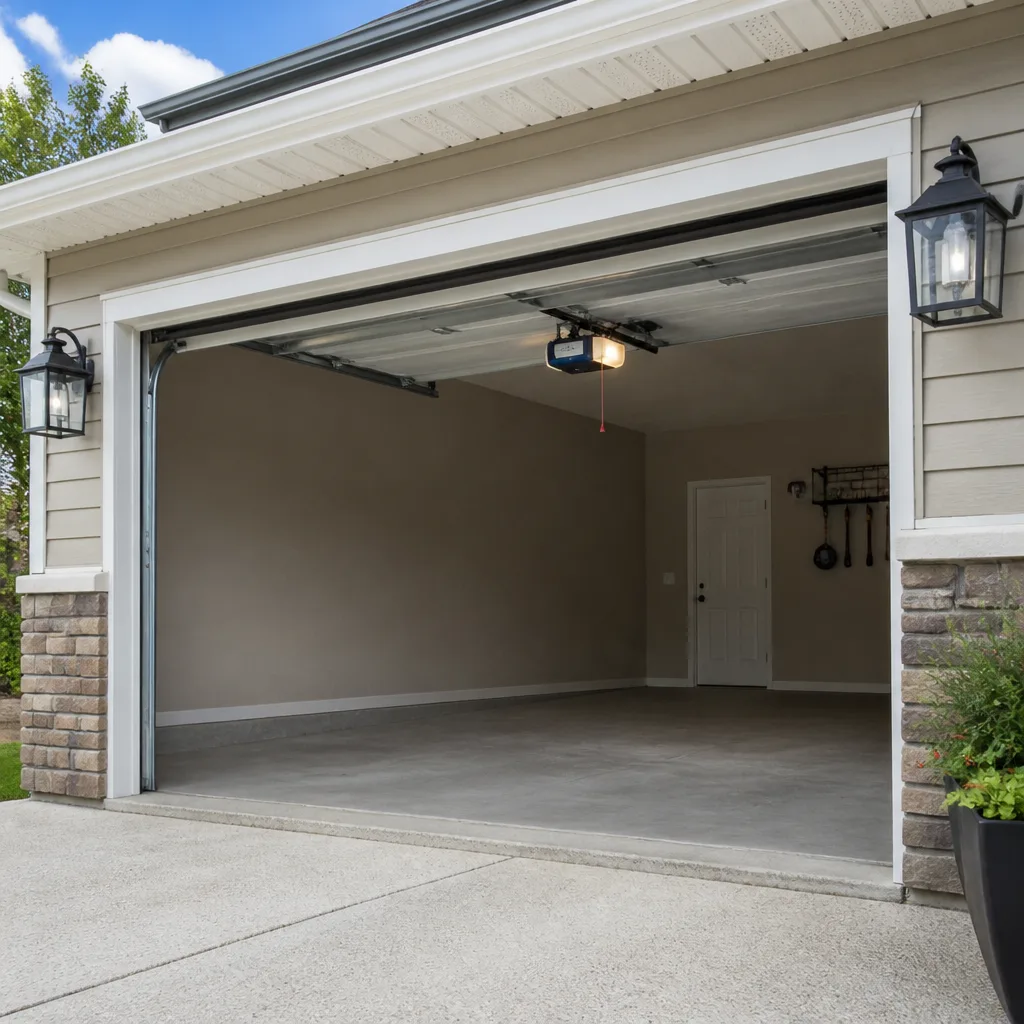 LiftMaster openers
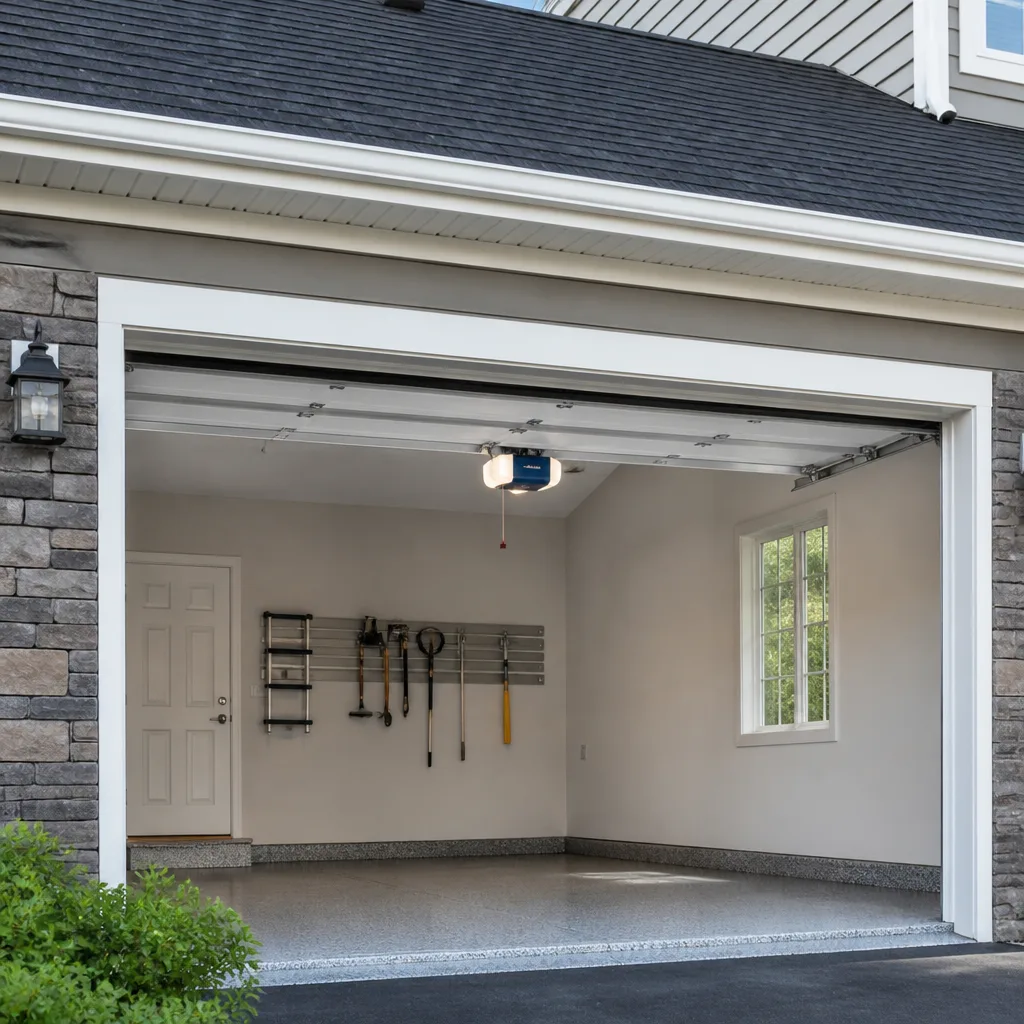 Chamberlain openers
Full 25-point door and opener safety check with every visit - springs, cables, rollers, tracks, and your LiftMaster or Chamberlain opener included
You get a price before we start. It does not change when the pro arrives.
Get your free estimateHow to Hire a Garage Door Contractor in Wellington: A Step-by-Step Guide
Most homeowners in Wellington start their search for a garage door contractor the same way: they get three bids and pick the one in the middle. That feels responsible. It isn’t, because the number on the page tells you almost nothing about whether the person quoting it is legally allowed to do the work. Florida doesn’t issue a standalone “garage door contractor” license at the state level, which means the credential check that actually matters is more specific than most people realize. In this guide we’ll walk through which license categories cover garage door work in Florida, how to verify one through the state database, what to ask before anyone touches your door, and how to read a quote so a low number doesn’t turn into a high invoice. If you’re hiring in Wellington, the steps below are the same ones we’d want a neighbor to follow.
Quick Answer
To hire a garage door contractor in Wellington, verify the company’s license classification through the Florida DBPR database, confirm they carry general liability and workers’ comp, ask whether they pull permits in their own name, and insist on a written itemized quote and written warranty before work begins. Florida has no separate “garage door” license, so installation and structural work usually falls under a Building Contractor or Specialty Contractor classification. Repair-only work may not require a state license at all, which is exactly why the vetting questions matter more than the license line alone.
Styles & brands we work with
- Raised-panel steel
- Carriage house
- Modern flush
- Full-view glass
- LiftMaster openers
- Chamberlain openers
Table of Contents
- Which Florida license actually covers garage door work?
- How do you verify a contractor through Florida DBPR?
- What to ask before a technician steps into your garage
- Red flags specific to the South Florida market
- How to compare quotes correctly
- What a legitimate warranty looks like
- Why brand familiarity matters more than you’d think
- Common mistakes to avoid
Which Florida license actually covers garage door work?
There is no “garage door contractor” license issued by the State of Florida. That single fact trips up more Wellington homeowners than any other part of the hiring process. Garage door work falls under broader classifications, and which one applies depends on the scope of the job. A spring swap and a full door replacement with new tracks and structural anchoring are not the same category of work, even though both involve a garage door.
In practical terms, the classifications you’ll encounter are:
- Certified or Registered Building Contractor – typically the classification that covers structural installation work, including anchoring a new door and its tracks to the framing.
- Certified or Registered Specialty Contractor – a category that includes several trades; the specific specialty listed on the license determines whether garage door installation falls inside it. You need to read the classification, not just confirm a license exists.
- General Contractor – can hold responsibility for a larger project that includes a door replacement, but usually subcontracts the door itself.
- No state license required – some repair-only work (adjusting a door, replacing a roller, swapping a remote) may not require a state-issued license in Florida. That doesn’t mean the person is vetted, insured, or competent.
Here’s the part most homeowners don’t connect: the license type determines who can pull a permit. In Wellington, a door replacement that changes the opening, the anchoring, or the structural attachment of the tracks may require a permit from the Village. A contractor whose license doesn’t cover structural work can’t legally pull that permit, and if they pull it under someone else’s number, you’re the one holding the paperwork. Ask directly: “Will you be pulling the permit, and under which license number?” A legitimate answer comes without hesitation.
Why it matters in Wellington specifically: much of the housing stock is stucco-over-block construction with hurricane-rated openings, and door replacements often intersect with the wind-load requirements that apply across Palm Beach County. That intersection is exactly where the license question becomes a permit question, and the permit question becomes a “who’s liable if this fails an inspection” question. The Village’s building department can tell you whether your specific job needs a permit. Ask them before you sign anything.
How do you verify a contractor through Florida DBPR?
You verify a Florida contractor through the Department of Business and Professional Regulation (DBPR) license lookup, and it takes about two minutes once you know what to look for. The database is public and free. What it won’t do is tell you whether the license covers your specific job, so read the classification carefully.
Here’s the step-by-step process we’d walk a Wellington neighbor through:
- Get the license number in writing. Ask for it before the estimate, not after. A company that won’t give you a number upfront is telling you something.
- Search the number on the DBPR website. The lookup is at myfloridalicense.com. Search by license number rather than by company name, because names change and numbers don’t.
- Read the status field. “Current, Active” is what you want. “Delinquent,” “Null and Void,” “Suspended,” or “Inactive” all mean the credential isn’t in good standing, regardless of what the truck says.
- Read the classification field. This is the one people skip. “Certified Building Contractor” and “Certified Specialty Contractor” are not interchangeable, and a specialty contractor’s specific specialty matters. If the classification doesn’t clearly cover garage door installation, ask the contractor to explain how their license covers the work.
- Check the qualifier. Florida licenses are held by an individual “qualifier” who is responsible for the work. If the qualifier on file isn’t connected to the company you’re talking to, ask why.
- Check for complaints or disciplinary history. The DBPR record includes disciplinary actions. One old complaint isn’t necessarily a dealbreaker. A pattern of them is.
- Confirm the business name matches. The name on the estimate, the name on the license, and the name on the insurance certificate should all align.
We’ll be direct about where we sit: we’re a garage door specialist, and we’re happy to talk through license and insurance questions before you hire us. Whatever you decide, don’t skip this step. The DBPR lookup is the single most useful tool a Florida homeowner has, and almost nobody uses it.
What to ask before a technician steps into your garage
These questions are the difference between a vetted contractor and a stranger with tools. Ask them on the phone, before the estimate, and write down the answers. A specialist will answer all of them without hesitation. A generalist will answer some and deflect on others.
- “What license classification covers this job, and will you pull the permit?” If the job requires a permit, the answer should include a license number and a clear statement that they’ll handle it. If the job doesn’t require a permit, they should be able to explain why.
- “Can you send me a certificate of insurance?” Not a verbal “yeah, we’re insured.” An actual certificate of liability insurance and, where applicable, workers’ compensation, emailed before the appointment. The certificate should name the business you’re hiring and list the coverage dates. Coverage that expired last month is not coverage.
- “Are the technicians employees or subcontractors?” Either is legal, but the answer affects who’s responsible if someone gets hurt on your property. Ask how the company handles that.
- “What brands do you work on?” You want a company that handles the brand you already own. If your opener is a Genie and the contractor only services LiftMaster, you’ll be paying for a replacement you didn’t need. We work on eight major manufacturers, including Raynor, Chamberlain, and Genie, because a homeowner shouldn’t have to change brands to get service.
- “Is a spring repair a standalone service or does it require a full door replacement?” It should be standalone. A contractor who tells you a broken spring means a new door is either unfamiliar with spring work or upselling. Springs are one of the most dangerous DIY repairs in any home, which is why we handle them in-house rather than farming them out.
- “What’s the written warranty, and can I see it before I sign?” Verbal promises evaporate. Ask for the warranty document in writing, before the appointment, and read what it excludes.
- “How will you quote the job: parts and labor broken out, or one total?” Itemized is better, and we’ll explain why below.
Red flags specific to the South Florida market
South Florida has some contractor behaviors that show up here more than in most of the country. Wellington sits inland in Palm Beach County, which means the market here is shaped by seasonal residents, a large volume of storm-related repair work, and a steady supply of out-of-area contractors who show up after a weather event. Knowing the patterns is half the defense.
- Post-storm chasers. After any named storm, out-of-area crews move through South Florida offering fast door and roof repairs. Some are legitimate companies responding to real demand. Many aren’t. The tell isn’t the out-of-state plate; it’s the missing local license, the cash-only demand, the “sign today” pressure, and the lack of a physical business address you can verify. Ask for the DBPR number and watch how they react.
- Bait-and-switch spring pricing. A phone quote of an unusually low number for a spring replacement is one of the oldest tricks in this trade. It gets the technician into your garage. Once the door is disassembled, the price changes: the “real” spring costs more, the cables are “shot,” the opener needs replacing. The defense is simple. Ask for the quote in writing before the appointment, and ask explicitly whether that price covers a matched pair of springs or one spring.
- One-spring quotes for two-spring doors. Most residential doors in Wellington have a matched pair of torsion springs, and they’re typically replaced together because they wear together. A quote that names only one spring isn’t necessarily dishonest, but it’s incomplete. Compare quotes on the same basis, or you’re comparing apples to a fraction of an apple.
- High-pressure scheduling. “We can only hold this price if you book right now” is a sales tactic, not a scheduling reality. Garage door work is measured and scheduled. A legitimate contractor will give you time to read the quote.
- The “no permit needed” answer for structural work. Sometimes it’s true. Sometimes it’s the contractor avoiding a step they aren’t licensed to take. When in doubt, call the Village of Wellington building department and ask. It’s a free phone call.
- Handwritten invoices, no company name, no license number. If the paperwork doesn’t identify the business, you have no warranty and no recourse.
None of these are Wellington-specific in the sense of geography, but the concentration of storm work and seasonal residents makes the market here more susceptible to them than a landlocked town in the Midwest. A specialist with a local reputation has more to lose from a bad job than a crew passing through.
How to compare quotes correctly
The total number at the bottom of a quote is the least useful thing on it. What reveals whether a quote is fair is the breakdown: what parts are being supplied, what labor is being charged, and what’s excluded. Two quotes for the same job can differ by hundreds of dollars and still be honest, because they’re quoting different scopes. Your job is to make sure you’re comparing the same scope.
A useful quote separates four things:
- Parts, itemized by component. Spring type and quantity, cables, rollers, hinges, opener model if applicable. If a quote says “spring replacement – $X” with no component breakdown, ask what’s included. Is it one spring or a pair? Are cables included, or is that extra?
- Labor, as a distinct line. Mixing labor into the parts price hides what you’re actually paying for. It also makes it impossible to compare two quotes fairly.
- Permit fees, if applicable. If the job requires a permit, the fee should show up as a line item, not buried in the total. Ask who’s responsible for pulling it and who’s paying for it.
- Exclusions. What the quote does not cover. Common exclusions include opener replacement, track replacement, and disposal of the old door. Knowing what’s outside the price is as important as knowing what’s inside it.
Here’s a comparison framework we’d recommend:
- Compare scope first, price second. If one quote includes new cables and the other doesn’t, the prices aren’t comparable. Add the missing item to whichever quote is incomplete and re-compare.
- Compare the brand and model of parts. A LiftMaster opener and a Genie opener are both fine, but they aren’t the same unit. Ask for model numbers.
- Ask what happens if they find something unexpected. A good quote includes a statement about how additional findings are handled: a call to you, a revised written price, and your approval before any extra work begins.
- Confirm the price is quoted and agreed before any work starts. This is the single most important thing to establish. The written quote is the price, and any change should require your written or verbal approval first.
We’ll say the quiet part out loud: in this trade, the biggest fear after “how much is this going to cost” is “will the invoice at the end match the quote.” The answer should be yes, and it should be in writing before the technician starts. If a contractor won’t commit to that, that’s your answer.
What a legitimate warranty looks like
A legitimate garage door warranty is a written document you can read before the work starts, and it clearly separates what the manufacturer covers from what the contractor covers. Verbal warranty promises are worth roughly nothing. If the contractor won’t put it in writing, assume it doesn’t exist.
Here’s what to look for in a written warranty:
- Two separate warranties. The manufacturer warranties the parts (springs, opener, door panels, hardware) for a period defined by the manufacturer. The contractor warrants the labor for a period they define. Both should be stated in writing. A warranty that mentions only one of these is incomplete.
- Defined coverage periods. “Lifetime warranty” means nothing without the terms. Ask what “lifetime” refers to: the life of the door, the life of the property owner, or a specific number of years.
- Clear exclusions. Most warranties exclude damage from misuse, weather events outside normal range, or work performed by others. That’s normal. What matters is whether the exclusions are stated clearly, not buried in small print.
- A named business to call. The warranty document should identify the company, not just a first name and a phone number. If the business isn’t named, you can’t enforce anything later.
- Transferability, if that matters to you. If you plan to sell the home, ask whether the labor warranty transfers to the buyer. Many don’t, and that’s worth knowing before you pay for the work.
Ask for the warranty document at the same time you ask for the quote. A legitimate contractor will send both. If the warranty only appears after the work is done, you didn’t get a warranty; you got a promise.
Why brand familiarity matters more than you’d think
Garage door openers and door systems are not interchangeable, and a contractor who works on only one or two brands will often recommend replacing equipment they don’t service rather than repairing it. That’s not malice, exactly; it’s a limitation of capability. But it costs you money.
When you’re vetting a contractor in Wellington, ask which brands they service. The answer tells you whether they can work on the brand you already own, or whether they’ll steer you toward something inside their comfort zone. A specialist who handles LiftMaster, Chamberlain, Genie, Raynor, and several other major manufacturers has no reason to push a replacement when a repair is the right call.
This matters most for opener repair. Openers fail in predictable ways: stripped gears, dead logic boards, misbehaving safety sensors, remotes that stop pairing after a power surge. A technician who knows the specific opener can usually repair it. A technician who doesn’t will often recommend a full replacement, which costs more and doesn’t always solve the underlying problem. We repair openers across the full range of brands because the brand you own shouldn’t dictate the service you can get.
Springs are the other place brand knowledge matters. Torsion springs have specific wire sizes, lengths, and cycle ratings tied to the door’s weight and the manufacturer’s specification. Matching a spring correctly is a safety issue, not just a performance one. If you need garage door spring repair, the brand and model of the door determine which spring is right, and a technician who doesn’t know the system is guessing.
Common Mistakes to Avoid
- Hiring on price alone. The lowest bid is often low because something has been left out: permit fees, cables, warranty, insurance. Once you add those back in, the cheapest quote frequently isn’t.
- Skipping the DBPR lookup. Two minutes on myfloridalicense.com will tell you whether the license is active, what classification it covers, and whether there’s a disciplinary history. Almost nobody does this, and it’s the single most useful check available.
- Accepting a verbal insurance claim. “We’re fully insured” is a sentence, not a document. Ask for the certificate, check the dates, and confirm the business name matches the one on the quote.
- Letting the contractor pull the permit under someone else’s license. If the license number on the permit application doesn’t match the contractor you hired, the liability sits with whoever holds the number, and that may not be the person you have a contract with.
- Not asking whether the spring quote covers one spring or a pair. This is the most common source of invoice shock in this trade. Ask the question explicitly, and get the answer in writing.
- Believing a warranty you haven’t seen. A warranty you can’t read before signing isn’t a warranty. It’s a marketing line.
- Assuming a generalist can do the job. Garage door work, especially spring and opener work, is a specialty. A handyman who “does doors sometimes” is not the same as a specialist who does nothing else.
See the difference
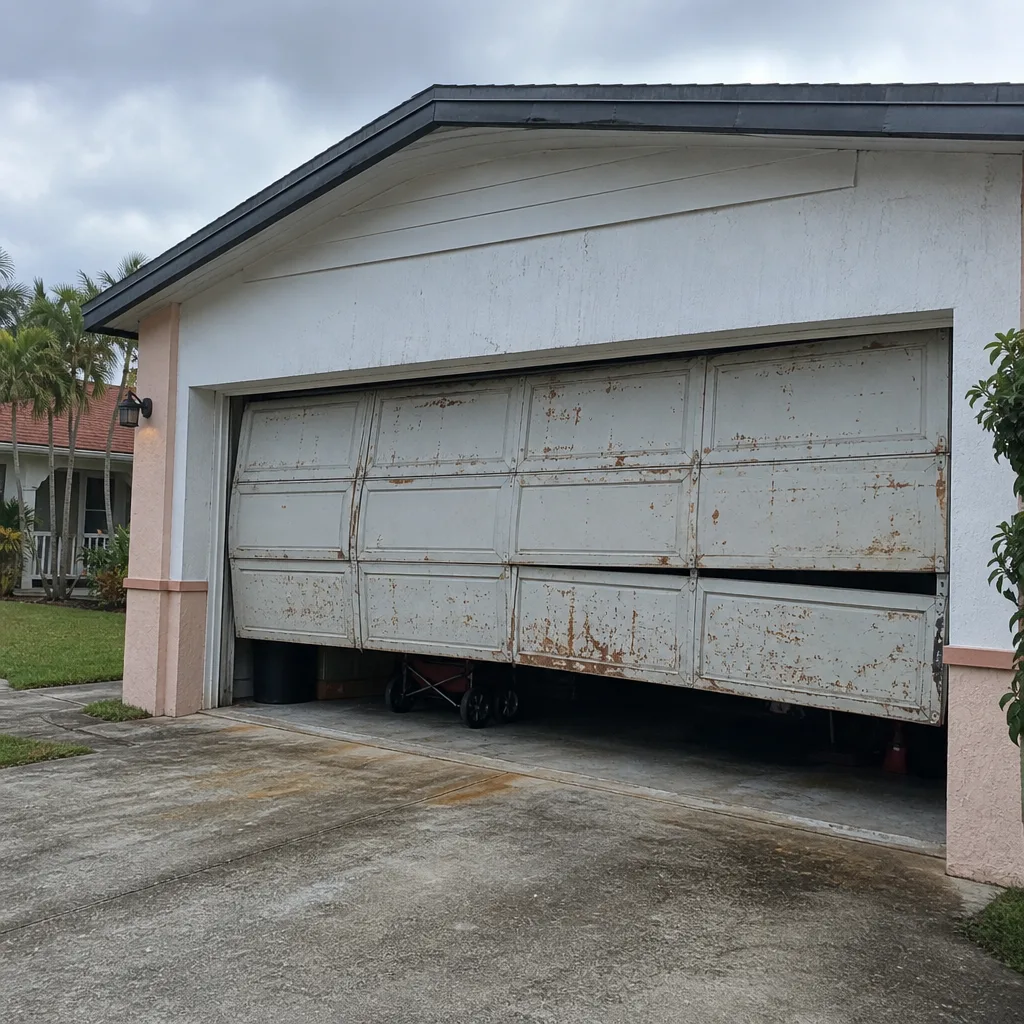 Before
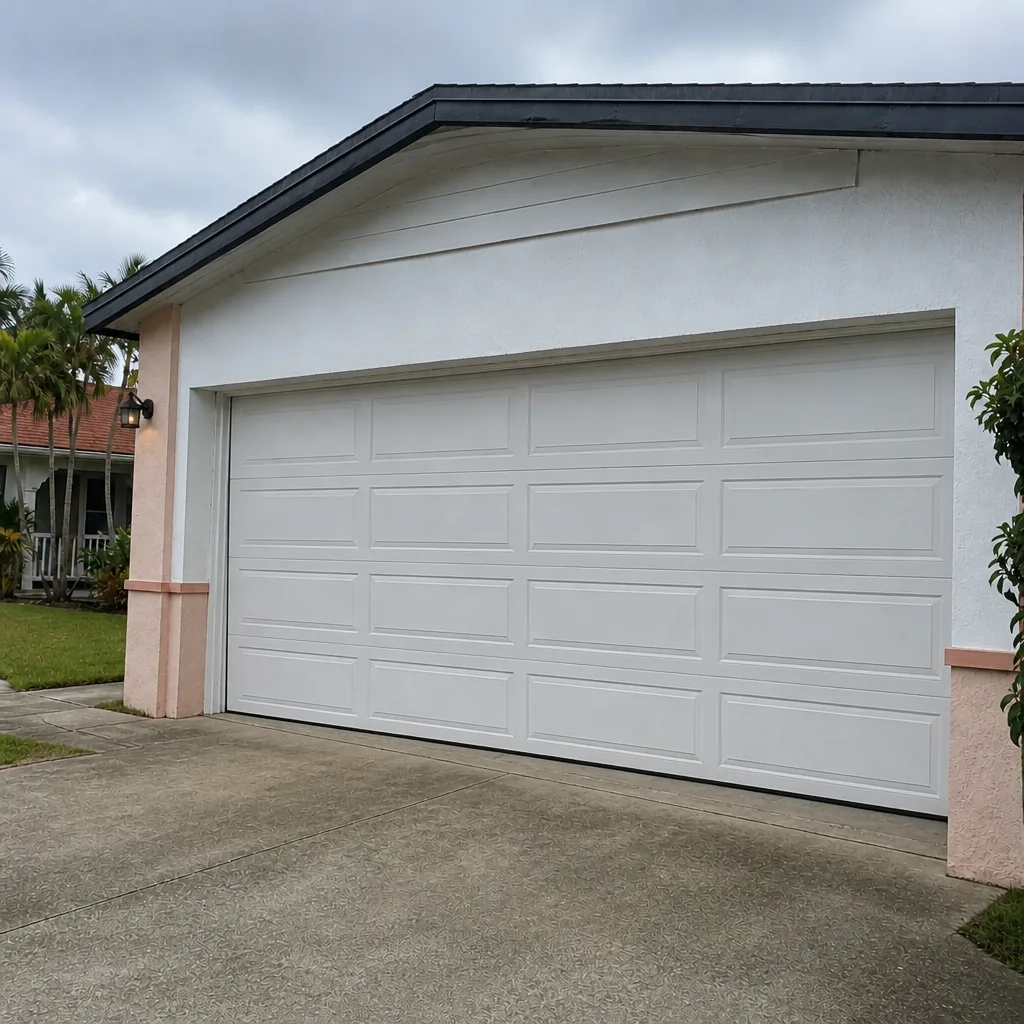 After
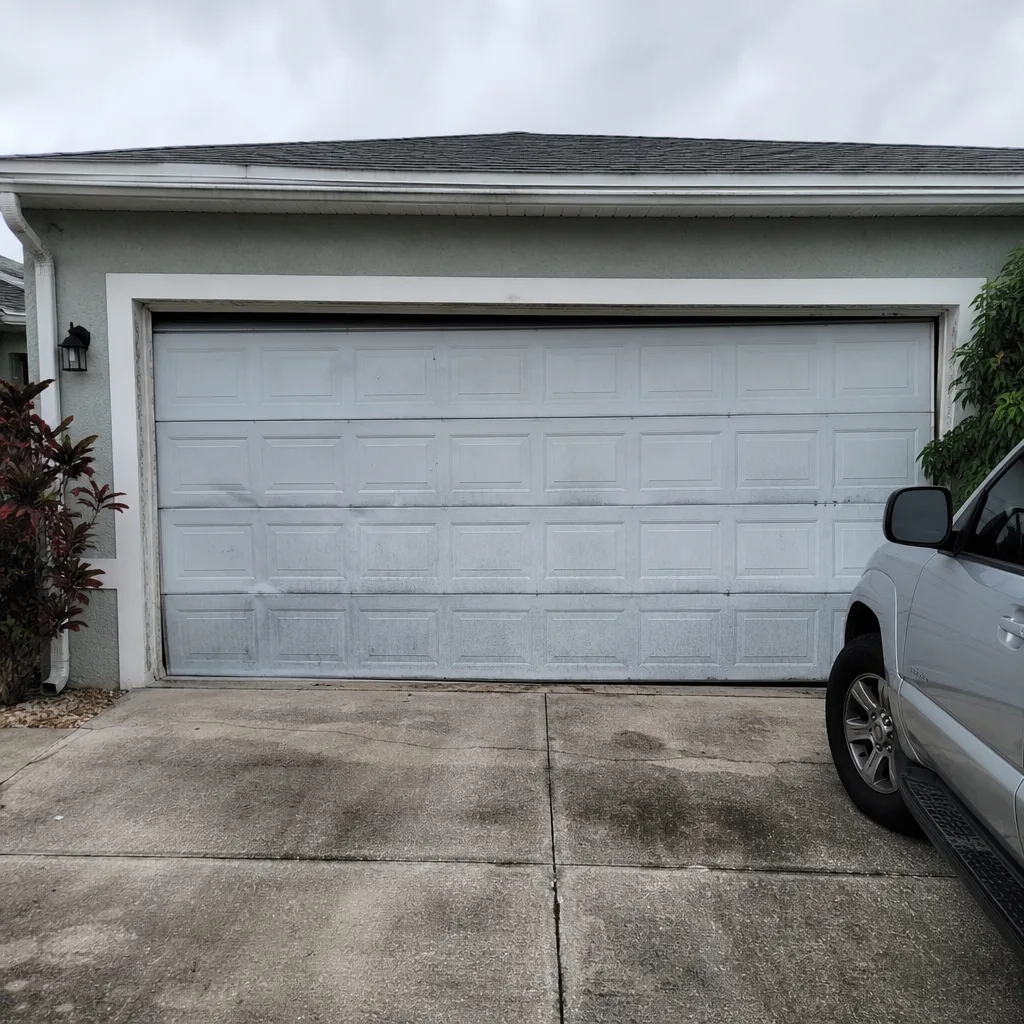 Before
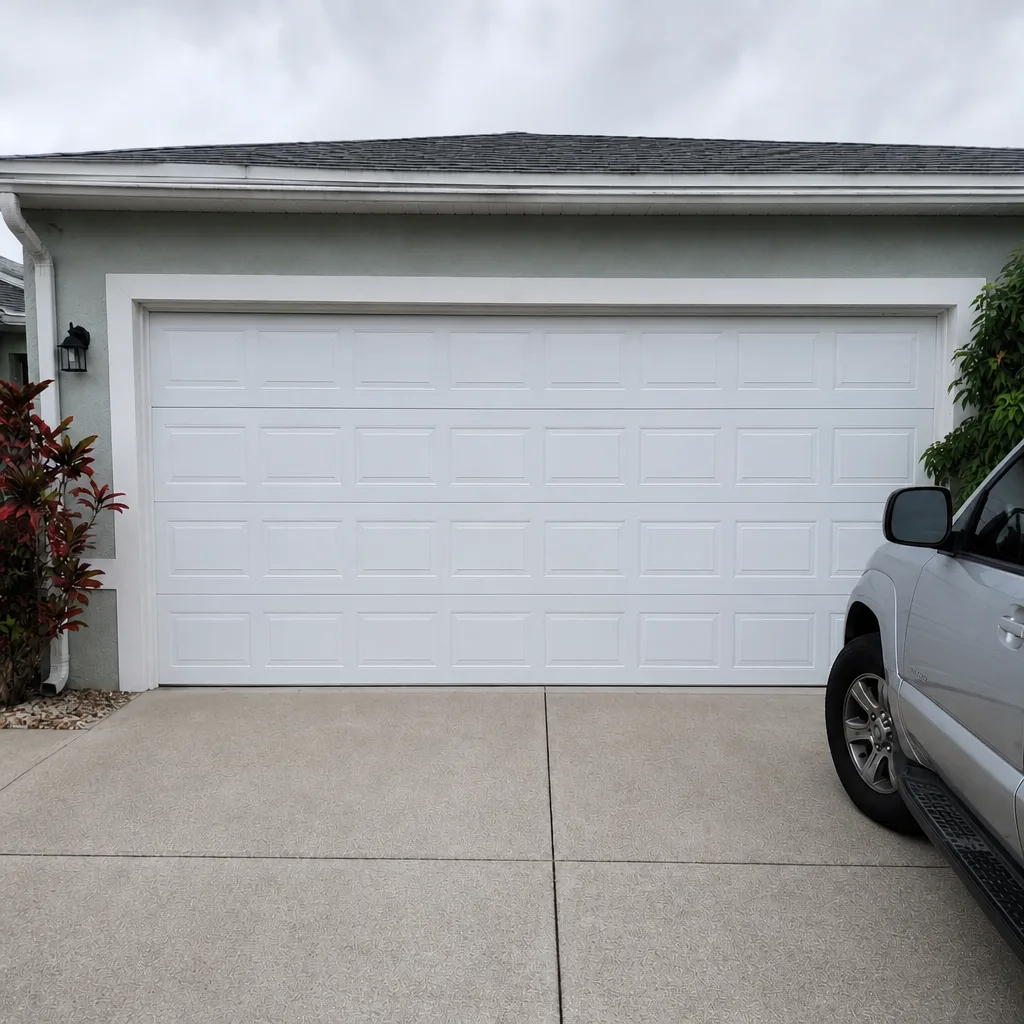 After
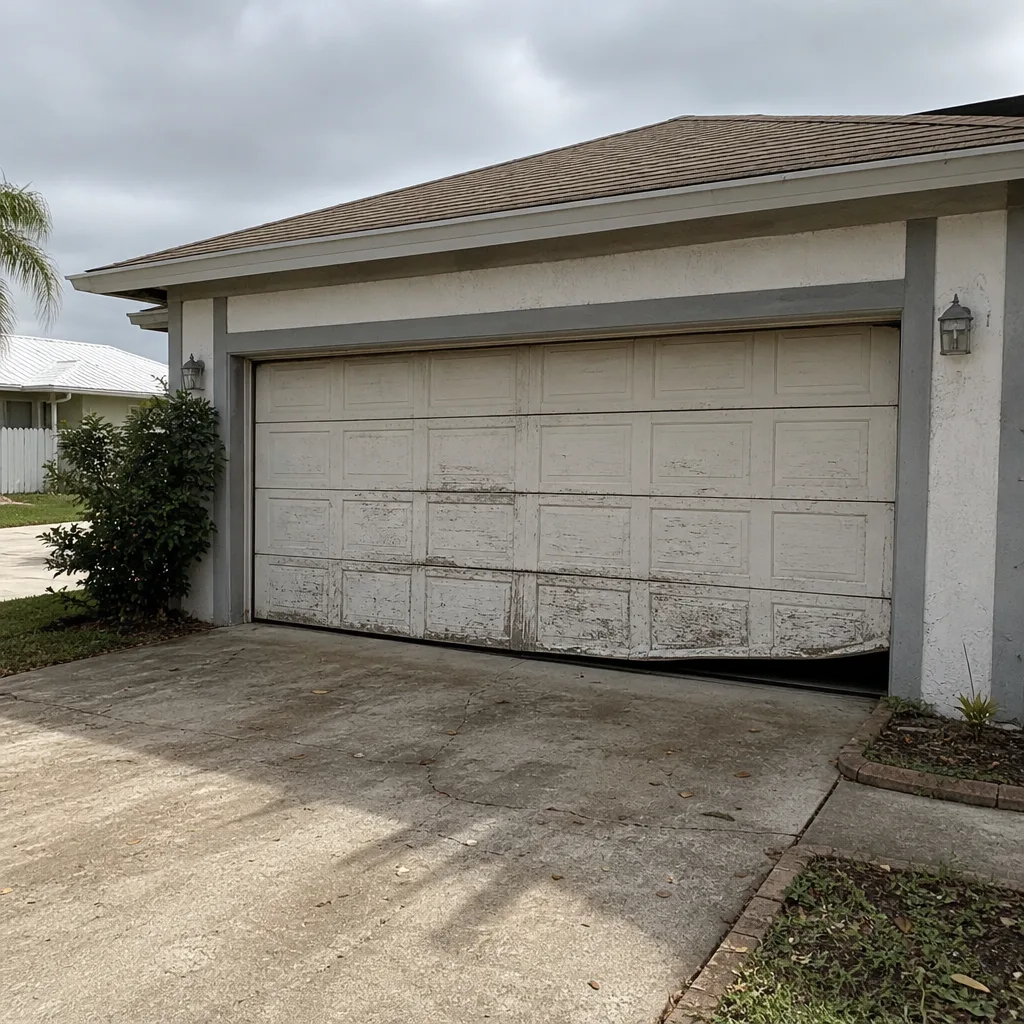 Before
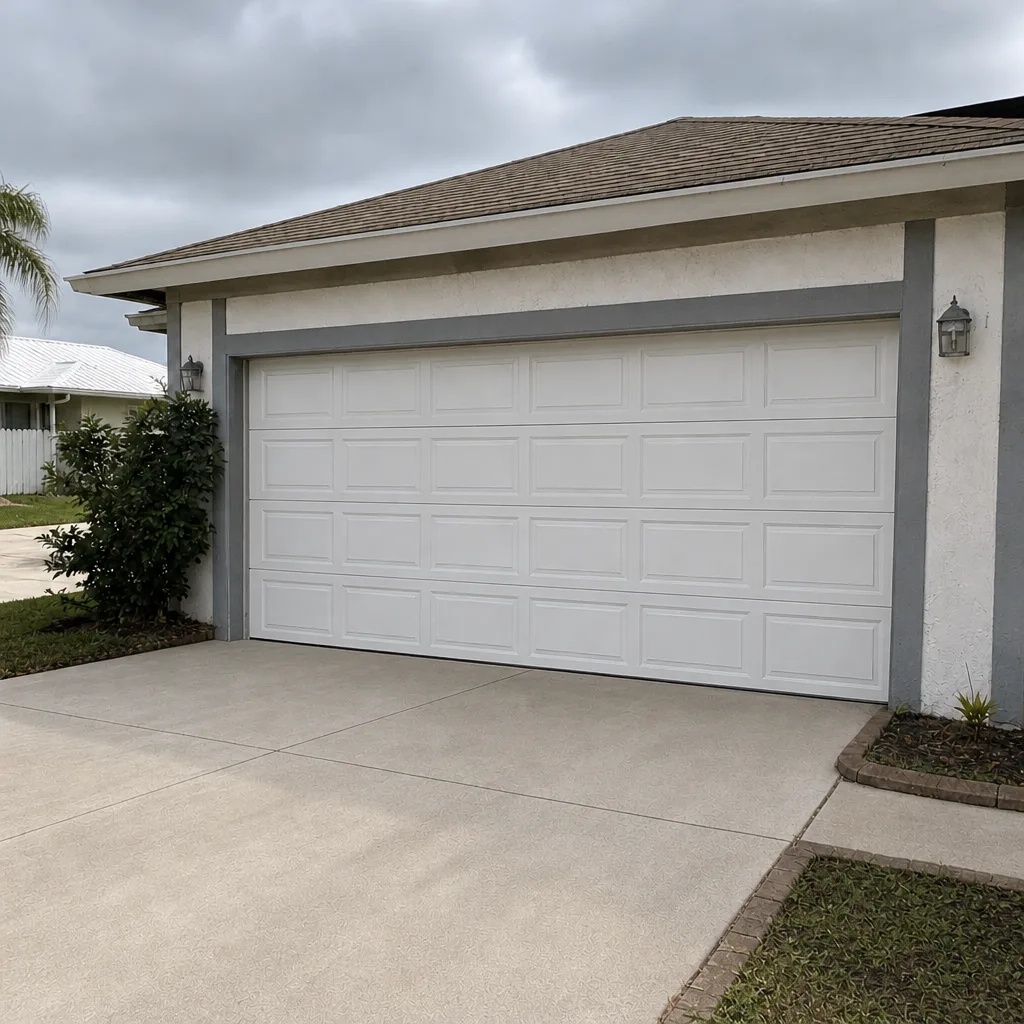 After
When to Call a Professional
Some garage door problems are safe to look at and some are not. The dividing line is whether the repair involves stored energy or live electrical components. If it does, stop and call a professional. Springs, cables, and the torsion assembly hold enough stored force to cause serious injury in an instant, and openers involve line voltage that isn’t a DIY project for anyone without a license. For those, garage door repair by a trained technician is the only safe route. Repairs that are generally safe to handle yourself include replacing a remote battery, cleaning and aligning safety sensors, and lubricating rollers and hinges.
Call a professional for broken springs, snapped cables, a door that’s off its track, a door that reverses unexpectedly, an opener that hums without moving, or any situation where the door won’t close fully. When the door won’t move, we move fast; emergency service is a core part of what we do, not an upsell. Wellington Garage Door Repair Pros offers free estimates in Wellington. Call (855) 658-3814 to schedule one.
Frequently Asked Questions
Florida has no standalone garage door contractor license. Installation and structural work typically fall under a Building Contractor or Specialty Contractor classification, while some repair-only work may not require a state-issued license. That’s why you should verify the specific classification through the Florida DBPR lookup rather than relying on a general “we’re licensed” claim. Call (855) 658-3814 for an exact quote on your job; estimates are free.
Search the contractor’s license number on the Florida DBPR website at myfloridalicense.com. Read the status field (you want “Current, Active”), read the classification field carefully, and check the disciplinary history. Ask for the license number in writing before the estimate. If a contractor won’t provide one, that’s your answer.
It shouldn’t. The written quote is the price, quoted and agreed before any work starts. If the technician discovers something genuinely unexpected (a cracked track, a damaged cable that wasn’t visible from the outside), a legitimate contractor will stop, explain what’s been found, give you a revised written price, and get your approval before doing the extra work. If a contractor won’t commit to that process, hire someone else.
Call (855) 658-3814 for an exact quote and same-day availability; estimates are free. Spring failures are one of the most common emergency calls we get, and we treat emergency garage door service as a core offering rather than an upsell. Don’t try to operate the door yourself in the meantime. A door with a broken spring is under the tension of the remaining spring and can come down unexpectedly.
The local professionals we connect you with are licensed and insured as Florida requires. Ask for the certificate of insurance before any work begins, and verify the license number through the DBPR database. Both are standard requests, and a legitimate contractor will send them without hesitation. Call (855) 658-3814 for a free estimate.
It depends on the scope of the work. A door replacement that changes the opening, the structural anchoring, or the track attachment may require a permit from the Village of Wellington; a spring or opener repair generally does not. The Village’s building department can tell you what applies to your specific job. Ask before signing, and ask the contractor whether they’ll pull the permit in their own name.
The Bottom Line
Hiring a garage door contractor in Wellington comes down to four checks: verify the license classification through DBPR, confirm insurance with an actual certificate, ask whether they’ll pull the permit, and read the quote and warranty in writing before anyone touches the door. The cheapest quote is often the one with the most left out of it. For a full range of services including garage door opener repair and new door installation, our technicians have up to 11 years of experience and work on the brand you already own. We’re a garage door specialist, not a general home-repair company, which means every technician who shows up works on doors all day.
If you’d like to talk through your job, call Wellington Garage Door Repair Pros at (855) 658-3814 for a free estimate. We’re happy to answer license and insurance questions before you commit to anything.
Written by the team at Wellington Garage Door Repair Pros.