Last updated November 21, 2026
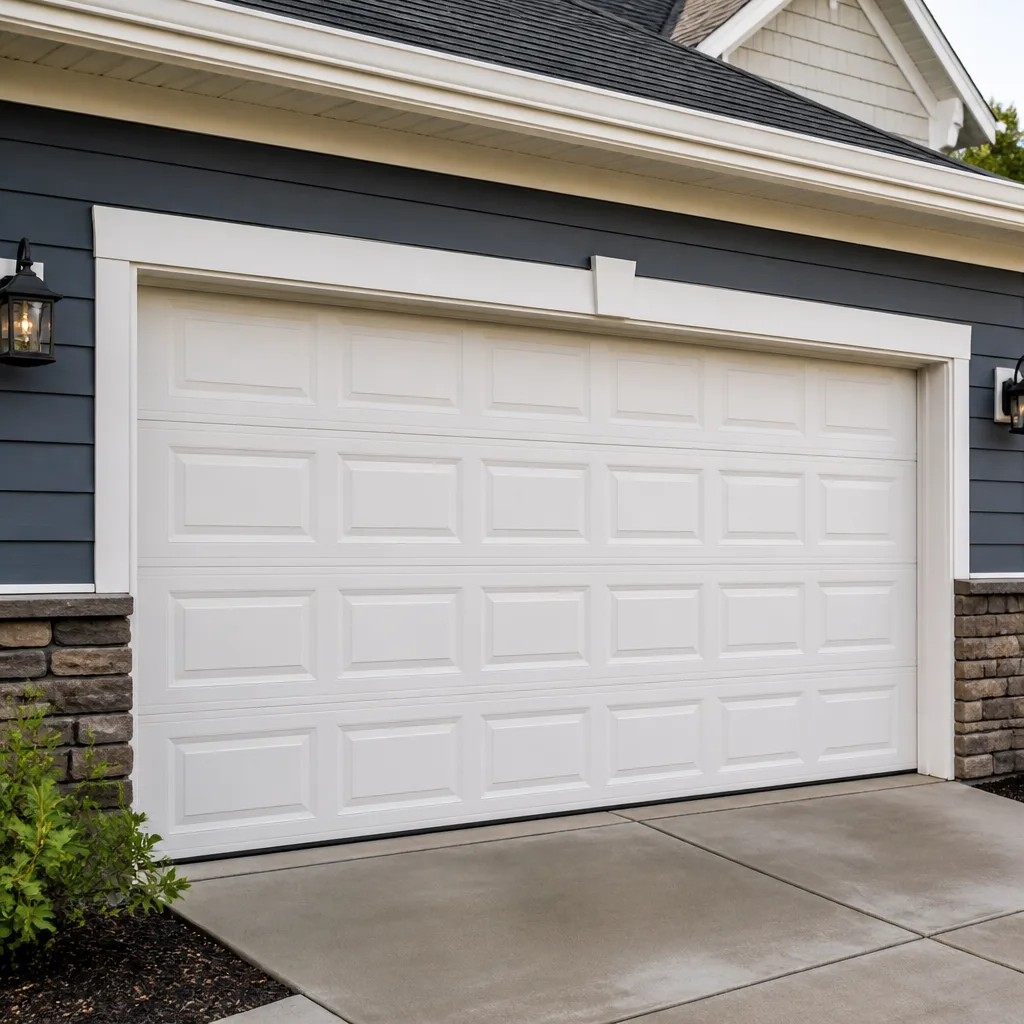 Raised-panel steel
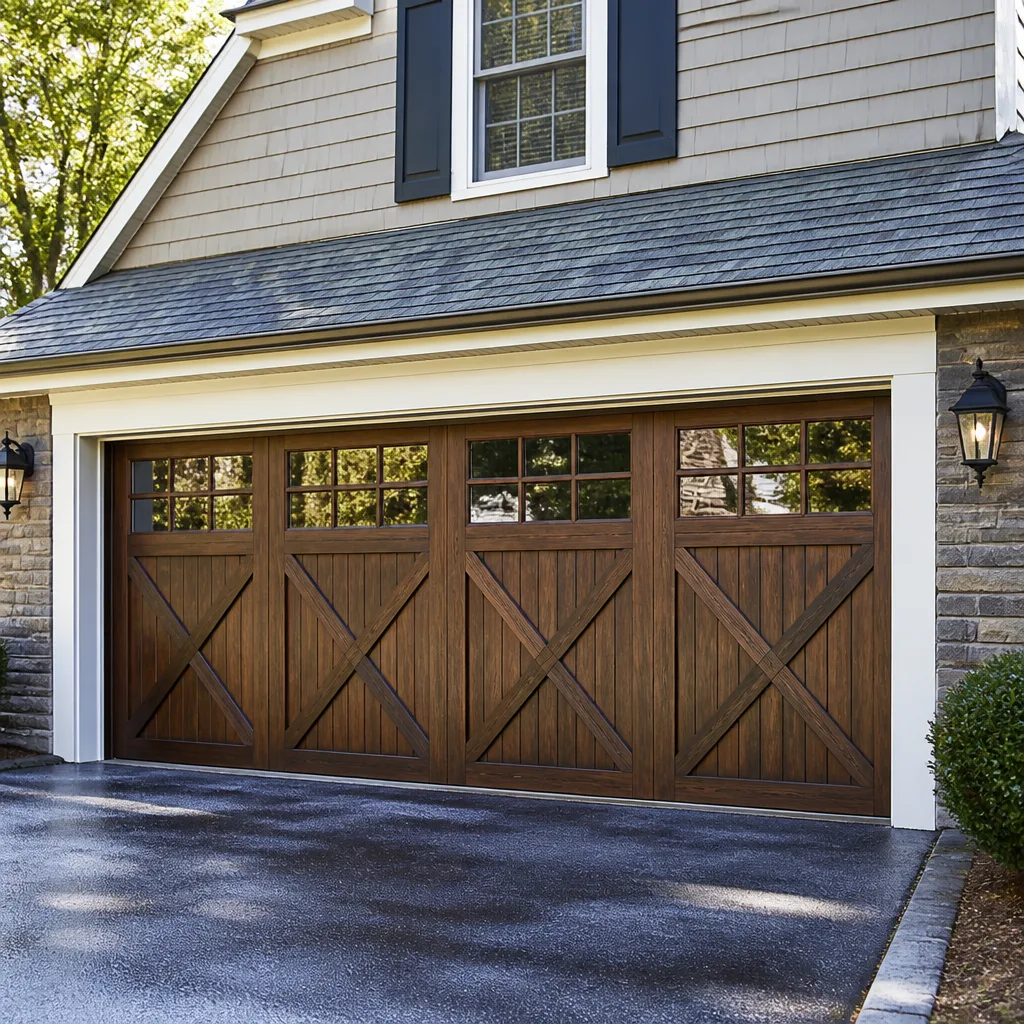 Carriage house
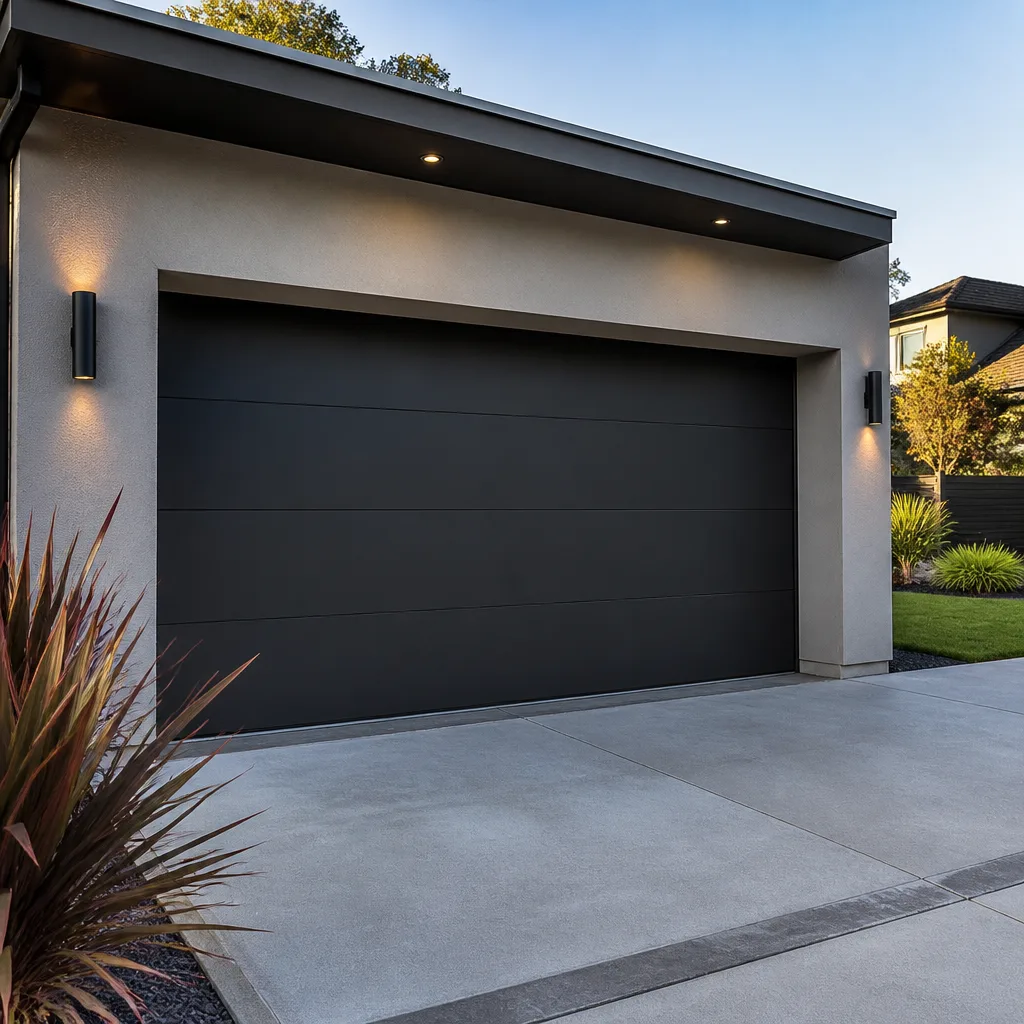 Modern flush
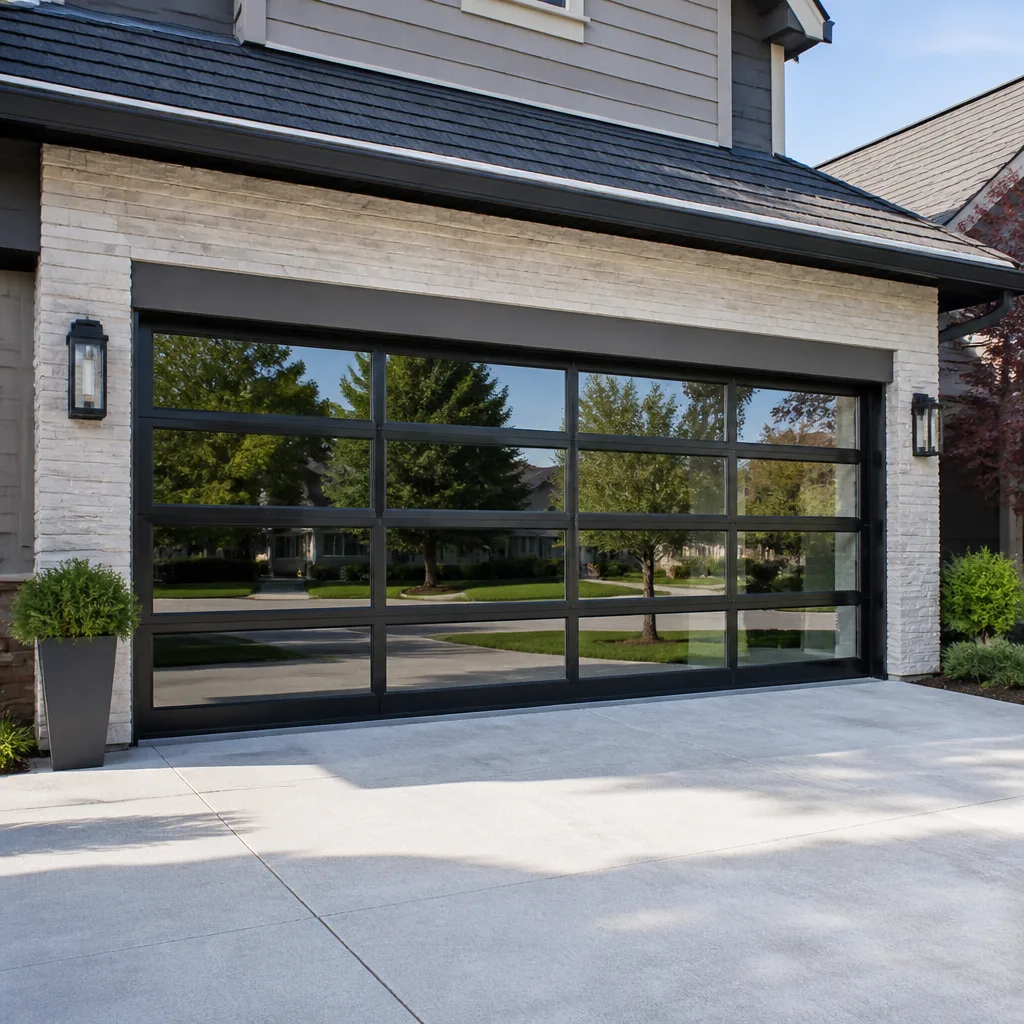 Full-view glass
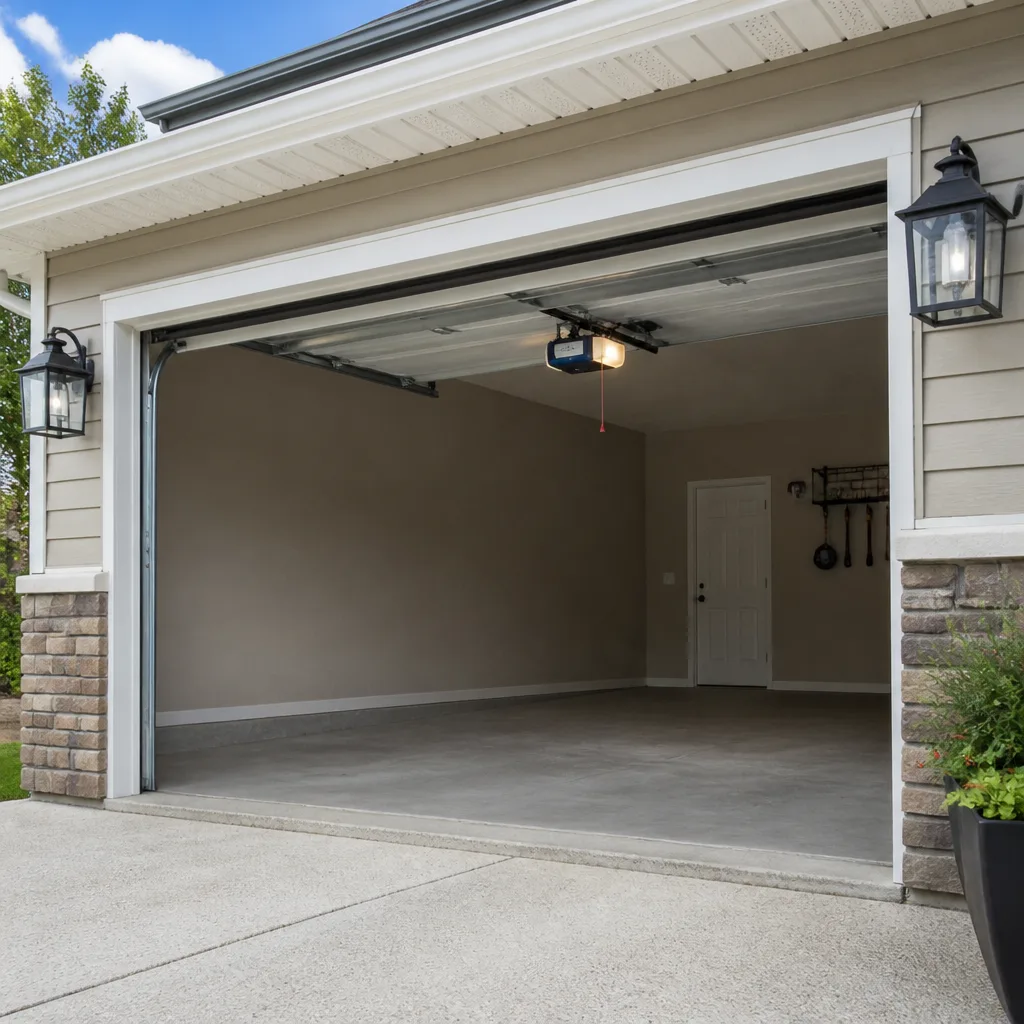 LiftMaster openers
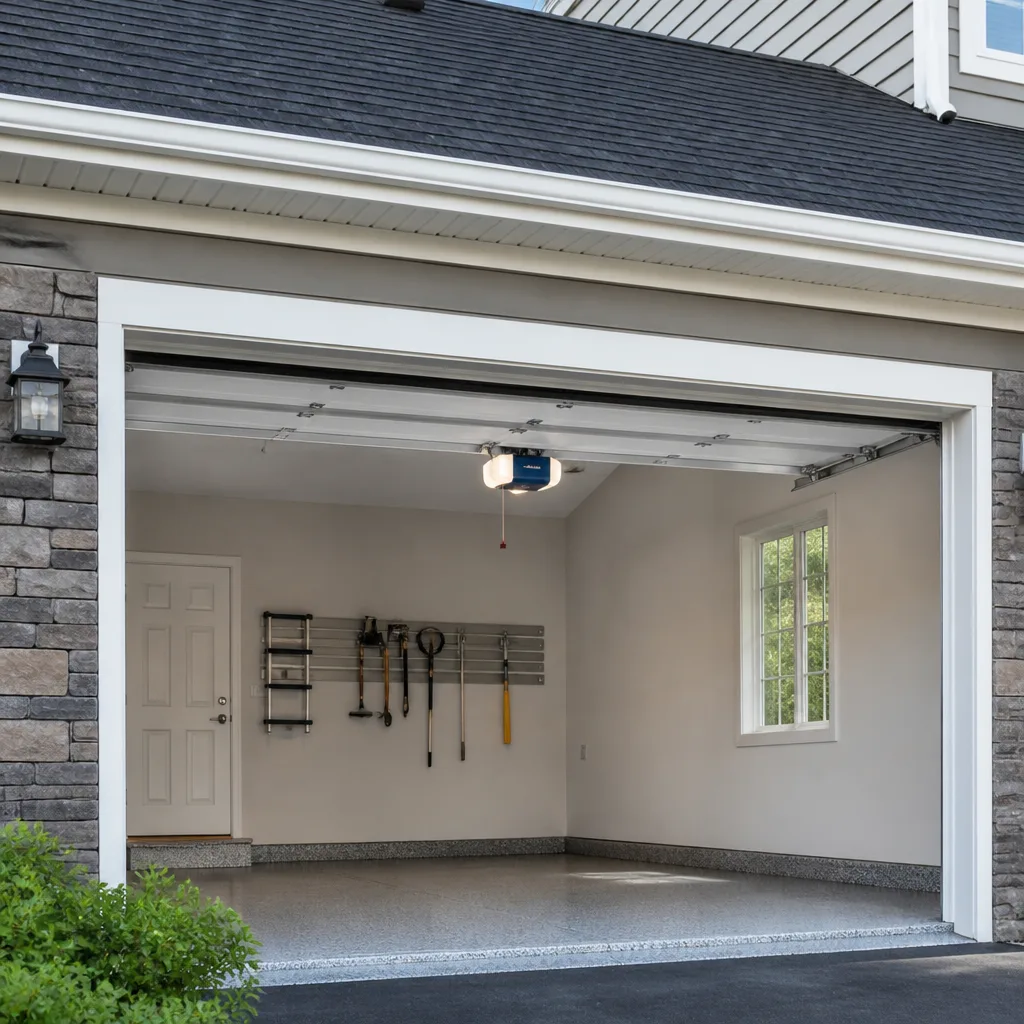 Chamberlain openers
Full 25-point door and opener safety check with every visit - springs, cables, rollers, tracks, and your LiftMaster or Chamberlain opener included
You get a price before we start. It does not change when the pro arrives.
Get your free estimateSeasonal Garage Door Care for Wellington: Year-Round Homeowner’s Guide
Most seasonal garage door guides are written for places with snow. They tell you to winterize, to clear ice from the bottom seal, to watch for frost. Wellington homeowners read those pages and come away with advice that has nothing to do with their actual year. Our climate doesn’t run on four gentle seasons. It runs on two mechanically opposite periods: a wet, wind-driven storm season and a dry, sun-blasted stretch where the biggest threat to your door is ultraviolet light and low humidity. Each period stresses a garage door in a different way. A steel Clopay panel that shrugs off a mild March can oxidize under a summer of South Florida sun. A door that operates perfectly in February can flex and shake under wind pressure in September. This guide walks through the full calendar, from May prep to dry-season inspection, so you know what to check and when to call. It’s written from Wellington, for the doors that actually live here.
Quick Answer
In Wellington, seasonal garage door care means preparing in May before storm season, monitoring wind pressure and water intrusion from June through November, and shifting to UV and humidity checks from December through April. The two highest-value habits are testing the manual release and inspecting the bottom seal before the rains arrive, and checking steel panels and weatherstripping for sun damage during the dry months. Everything else follows from those two anchors.
Styles & brands we work with
- Raised-panel steel
- Carriage house
- Modern flush
- Full-view glass
- LiftMaster openers
- Chamberlain openers
Table of Contents
- Why Wellington’s “Seasons” Aren’t the Ones in Most Guides
- May Prep: Getting the Door Ready for Storm Season
- June Through November: Living With the Storm Season
- Post-Storm Inspection: What’s Structural and What’s Cosmetic
- December Through April: Dry Season Is Sun Season
- Year-Round South Florida Stressors: Pests and Algae
- A Simple Month-by-Month Maintenance Rhythm
- When Seasonal Care Turns Into a Repair Call
Why Wellington’s “Seasons” Aren’t the Ones in Most Guides
If you search for seasonal garage door care, you’ll find a lot of pages about winterizing. They assume your door faces freezing temperatures, road salt, and heavy snow load. None of that applies here. What Wellington actually gets is a long stretch of heat and humidity punctuated by a hurricane season that officially runs from June 1 through November 30, bookended by a dry winter and spring. That split isn’t cosmetic. It changes what fails and when.
During the wet months, the dominant forces are wind pressure and water. Wind pushes against the door face and loads the tracks, hinges, and springs in ways the system was never designed to hold for hours on end. Rain driven sideways finds the gaps at the bottom seal and the sides. Humidity swells wood frames and works at fasteners. During the dry months, the dominant forces are ultraviolet light and low humidity. UV breaks down paint and clear coats on steel doors, dries out rubber seals until they crack, and makes vinyl weatherstripping brittle. Those two regimes call for different inspections.
There’s also the practical matter of how homes are built here. Many Wellington garages face west or south, which means the door takes direct afternoon sun for hours. That orientation speeds up everything UV does. If your door faces those directions, treat the dry-season checks on this list as more urgent, not optional.
Understanding which stressor is active is the whole game. A door that’s maintained on the Wellington calendar lasts longer and fails less often than one serviced on a generic northern schedule.
May Prep: Getting the Door Ready for Storm Season
May is the calm before the calendar flips. The dry season is winding down, the heat is building, and the storm season hasn’t started. That makes it the ideal month to do the work that protects your door for the next six months. Here’s the order we recommend.
- Inspect the hurricane bracing and reinforcement. If your door has a wind-load reinforcement kit or vertical and horizontal bracing, look at every fastener. Check that the struts are tight against the panels, the brackets are seated, and nothing has loosened over the dry months. A kit that rattles or has backed-out screws won’t do its job under pressure.
- Replace a worn bottom seal before the rains. The bottom seal is the door’s first line against water and pests. Run your hand along it. If it’s cracked, flattened, torn, or no longer touching the floor across the full width, replace it now, not in the middle of a storm week.
- Test the manual disconnect. Pull the red release handle and lift the door by hand. It should move smoothly and stay where you leave it. Then re-engage it and cycle the opener. If the door is unusually heavy or won’t stay up on its own, the springs are telling you something, and you want to know that in May, not in September.
- Check the track alignment and hardware. Look for bent track sections, loose hinge screws, and rollers that have worn flat. Wind pressure on a misaligned door compounds fast.
- Clear the drainage around the garage opening. Make sure the ground outside the door slopes away and the threshold isn’t holding water.
- Test the opener’s safety reverse. Place a small object in the door’s path and confirm it reverses on contact. This matters year-round, but it’s a good habit to confirm before the season.
If any of these steps turn up something you can’t fix with a screwdriver, that’s the moment to schedule a look. Handling it in May means a garage door repair visit now instead of an emergency later.
June Through November: Living With the Storm Season
Once the season is active, your job shifts from maintenance to monitoring. The single most important rule is this: never open the door during high winds, even if the power is on. A garage door is a large, flat sail. Under sustained wind or a strong gust, it catches pressure across its whole face and transfers that load into the tracks, hinges, and springs. Opening it during a wind event can bend panels, jump rollers out of the track, or worse. Keep it closed and secured.
Here’s what to do immediately before a named storm approaches:
- Confirm the door is fully closed and the opener has engaged the lock, or use the manual slide lock if your door has one.
- Disconnect the opener only if your manufacturer’s instructions or your bracing kit call for it; otherwise leave the door down and locked.
- Move anything stored near the door that could become a projectile if the door fails, and clear the tracks of debris.
- Photograph the interior and exterior of the door before the storm so you have a baseline for any insurance conversation afterward.
- Check that the bottom seal is intact and the door sits flush against the threshold.
During the season, listen to the door. A door that shudders or rattles in routine afternoon wind is trying to tell you the hardware has loosened. Popping or grinding from the opener during normal operation is a sign the drive system is straining. Keep the tracks clean and dry, and avoid lubricating anything the manufacturer says not to.
We work on the brand you already have, whether that’s a LiftMaster opener, a Chamberlain unit, or a Genie motor, so a mid-season diagnosis isn’t a scavenger hunt. If the door starts acting up in July, that’s the time to look at it, not the week a storm is forecast.
Post-Storm Inspection: What’s Structural and What’s Cosmetic
After a storm passes, you need to separate a cosmetic scuff from a structural problem before you operate the door. A door that’s been hit by wind or debris can look fine and still be unsafe to move. Here’s how to tell the difference, in order.
- Stand back and look at the door as a whole. Is it sitting square in the opening? Are the horizontal lines of the panels parallel to the floor and each other? A door that’s shifted, sagged, or gone out of square is not safe to operate.
- Inspect the panels for dents and creases. A shallow dent in a panel face is often cosmetic. A crease that runs across a panel, or a panel that’s buckled along its fold lines, is structural and weakens the door’s wind resistance.
- Check the tracks. Look for sections that are bent, kinked, or pushed out of alignment. A track out of alignment will bind the rollers and can drop the door.
- Look at the springs and cables. If a spring is broken, the door will be extremely heavy. If a cable is off its drum or frayed, stop. Do not operate the door. High-tension springs and cables store enormous force and can cause serious injury; this is not a component to inspect by hand or attempt to adjust yourself.
- Test the opener on a door you’ve already cleared as safe. Run it through a full open and close cycle and watch and listen. Grinding, popping, or a door that stops partway points to a problem the storm exposed.
If you find a broken spring, a cable off its drum, or a door that’s shifted out of square, treat the door as unsafe to operate and call a professional. For the structural side of things, a trained technician can tell you whether garage door spring repair will get you back to normal or whether the door itself needs replacing. Don’t run a door with a failed spring; the opener will strain against the weight and can fail with it.
For minor cosmetic issues, a wipedown, touch-up paint, and a hinge check are usually enough. When in doubt, err on the side of a professional inspection. A door is a heavy moving system, and a post-storm check is far cheaper than a post-storm failure.
December Through April: Dry Season Is Sun Season
When the storm season ends, a different set of pressures begins. The air dries out, the sun gets intense, and the things that fail are the things that bake. This is the season for looking closely at surfaces and seals.
Steel panels and paint oxidation
If your door is steel, the dry months are when you’ll first see oxidation. It shows up as a chalky, faded surface, a dulling of the clear coat, or fine powdery residue that wipes off on your hand. Left alone, oxidation can progress to surface rust at seams, hinges, and panel edges. Washing the door periodically helps. If the finish is dull, a coat of wax or the manufacturer’s recommended protectant slows the decline. Touch up any chips or scratches before they become rust.
Weatherstripping and bottom seal brittleness
Low humidity and strong UV dry out rubber and vinyl. The bottom seal and the side and top weatherstripping are the first to go brittle. Squeeze them. If they’ve turned hard, cracked, or crumble at the edge, they’ve stopped sealing. A brittle bottom seal lets in pests and water once the rains return, so replacing it in the dry months is a smart move. If your door is a Clopay or Amarr model, matching the right seal profile matters; a poorly fitting seal won’t seat against the floor.
Hardware and lubrication
Heat expands metal. Screws and bolts can loosen over a long hot stretch. Walk the door and check hinges, brackets, and roller stems. Lubricate the moving metal parts with a product made for garage doors, not a general household spray. A door that squeaks or groans in the dry season usually just needs a clean and a lube.
Wood doors
If you have a wood door, dry season is when cracks open and paint fails fastest. Inspect the bottom rail and panel joints for splitting or checking. Reseal before the wet season returns, because water gets into dry cracks and makes them worse.
Most of the dry-season list is inspection and light care. Where it turns into repair is when seals are too far gone, springs are sagging, or an opener is straining. That’s the point to bring in a specialist rather than wait for a failure.
Year-Round South Florida Stressors: Pests and Algae
Two problems in Wellington’s climate have nothing to do with the season and everything to do with the environment. Pests and algae don’t take a month off, and both have real mechanical consequences for a garage door.
Pest intrusion at the bottom seal
Warm, humid garages are attractive to insects, rodents, lizards, and occasionally snakes. The bottom seal is the usual entry point. A seal that’s cracked, curled, or not touching the floor gives pests a gap to work with. Once inside, rodents gnaw at wiring on the opener and the safety sensors, and insects nest in the hinge gaps and behind the bottom seal. The fix is straightforward: keep the bottom seal in good condition, check it every few months, close up gaps around the sides, and keep the garage free of debris and stored food. If you see droppings or gnaw marks on opener wiring, have a specialist check the wiring before you operate the door.
Algae and mildew on panel surfaces
Humidity and shade encourage algae and mildew on garage door surfaces, especially on north-facing or heavily shaded doors. It shows up as a green or black film. It’s not just cosmetic: algae holds moisture against the finish, which accelerates oxidation and, on steel doors, can lead to rust at the edges. A regular wash with a mild detergent and a soft brush keeps it in check. Don’t reach for an abrasive pad; it dulls the finish and makes the next algae bloom stick faster. If the film keeps coming back, look at the drainage and airflow around the door; a wet, still pocket is all algae needs.
Neither of these is a repair issue until it causes damage. Stay ahead of them with a few minutes of inspection each month, and the door stays quiet and clean.
A Simple Month-by-Month Maintenance Rhythm
You don’t need to remember every check on this page. Use this rhythm and you’ll cover the essentials. Adjust the timing if a storm is forecast.
- May: Full pre-season check: bracing kit, bottom seal, manual release, tracks, hardware, and drainage. Schedule any repair now.
- June through November (monthly): Visual check of the seal and tracks after each significant wind event. Keep the door closed during high winds. Confirm hardware is snug.
- After any storm: Run the post-storm inspection before operating the door. Stop immediately if you find structural damage, a broken spring, or a cable off its drum.
- December through April (monthly): Wash the door, check for oxidation or rust, inspect weatherstripping for brittleness, and lubricate moving metal parts.
- Twice a year: Test the opener’s safety reverse and balance the door by hand on the manual release. If the door won’t hold position or feels heavy, call for a look.
- Annually: A professional tune-up and safety inspection, ideally in May before the season, so anything marginal gets caught early.
This rhythm is deliberately light. The point isn’t to turn you into a garage door technician; it’s to catch small problems while they’re still small. A worn seal or a loose hinge is a quick fix. A door that’s been ignored for a full season can turn into a bigger repair or an untimely failure.
Common Mistakes to Avoid
- Winterizing a door that doesn’t need it. Following a northern maintenance guide in Wellington means worrying about frost and ice that never come, while skipping the sun and seal checks that actually matter here. Use the local calendar instead.
- Opening the door during high winds. Even with power, opening a door in a wind event loads the tracks and springs with pressure they weren’t built to handle. Keep it closed and secured until the wind passes.
- Ignoring a worn bottom seal. A cracked or flattened seal lets in rain, insects, and rodents. Replacing it in the dry season, before the rains return, is the cheapest protection you can buy.
- Trying to fix springs or cables yourself. High-tension springs and cables are among the most dangerous components in a home. A failed spring can cause serious injury. Leave this to a trained professional.
- Running a door with a broken spring. The opener will strain against the full weight of the door and can fail along with it. If a spring breaks, stop using the door and call for help.
- Skipping the post-storm inspection. A door can look fine and still be out of square or have a bent track. Inspect before you operate it, and stop if anything looks structural.
- Letting algae and oxidation go. Both are easy to handle early and expensive to correct late. A wash and a quick look each month keeps the finish and the hardware in good shape.
When to Call a Professional
Most seasonal care is something you can handle with a few minutes and a screwdriver. Some of it isn’t, and knowing where the line is protects both your door and your safety. Call a professional if a spring is broken or the door is unusually heavy, if a cable is off its drum or frayed, if the door has shifted out of square or a panel is creased, if the tracks are bent, or if the opener is grinding, popping, or stopping partway. Also call if you’re seeing the same problem come back after you’ve addressed it, or if your door is past its prime and a repair no longer makes sense.
For the broader picture, our service page covers the full range of what a visit can handle. Wellington Garage Door Repair Pros offers free estimates in Wellington, so a look costs you nothing. When the door won’t move, we move fast, and we’ll quote a price and agree it with you before any work starts. Call (855) 658-3814 to get on the schedule.
Frequently Asked Questions
Wellington doors need a May pre-season check before the storm season, monthly monitoring through the wet months, and sun and seal checks during the dry season. The two highest-value habits are testing the manual release and bottom seal before the rains, and checking panels, paint, and weatherstripping for UV damage in the dry months. Spring repair and cable issues should always go to a specialist.
No. Keep the door closed during high wind, even if the power is on. Opening it lets the wind load the whole door face and transfer pressure into the tracks, hinges, and springs, which can bend panels or jump rollers. Secure the door, clear the tracks, and wait for the wind to pass before operating it. If the door fails, call (855) 658-3814.
Cosmetic damage is a shallow dent or a scuff that doesn’t affect the door’s shape. Structural damage is a crease across a panel, a door that’s out of square, bent tracks, or a cable off its drum. If the door has shifted or a panel is buckled, don’t operate it. Call a professional to inspect it and get a written estimate before any work starts.
Low humidity and intense UV dry out rubber and vinyl until they turn brittle. Squeeze your bottom seal and side weatherstripping; if they’re hard or crumbling, they’ve stopped sealing. Replacing them during the dry months, when the material isn’t fighting rain, keeps water and pests out once the wet season returns.
You can usually replace a bottom seal yourself if you match the profile and fit it correctly. Springs and cables are a different story. High-tension springs store enormous force and can cause serious injury, so leave those to a trained technician. If a spring looks broken or a cable is off its drum, stop using the door and call for help.
Once a year, ideally in May before storm season, is a good rhythm for most Wellington homes. That timing lets a technician catch a worn seal, a loose hinge, or a sagging spring before the wind and rain arrive. If the door is older or faces direct sun, a second look in the dry season is worth it. Call (855) 658-3814 for a free estimate.
The Bottom Line
Wellington doesn’t have four seasons in the way most garage door guides assume. It has a storm season and a dry season, and each stresses your door differently. Prepare in May, monitor through the wet months, never open the door in high winds, and inspect carefully after any storm. In the dry season, wash the door, check for UV damage and brittle seals, and keep pests and algae from settling in. That rhythm covers most of what a door needs here. For the rest, a specialist is the right call for springs, cables, tracks, and any sign of structural damage. Wellington Garage Door Repair Pros is a garage door specialist, not a general handyman, and we work on the brand you already have, from LiftMaster to Chamberlain to Genie to Clopay. Our technicians have up to 11 years of experience across the full range of garage door opener repair and door work. For a closer look at the whole operation, see Wellington Garage Door Repair Pros. Call (855) 658-3814 for a free estimate.
Written by the team at Wellington Garage Door Repair Pros.
See the difference
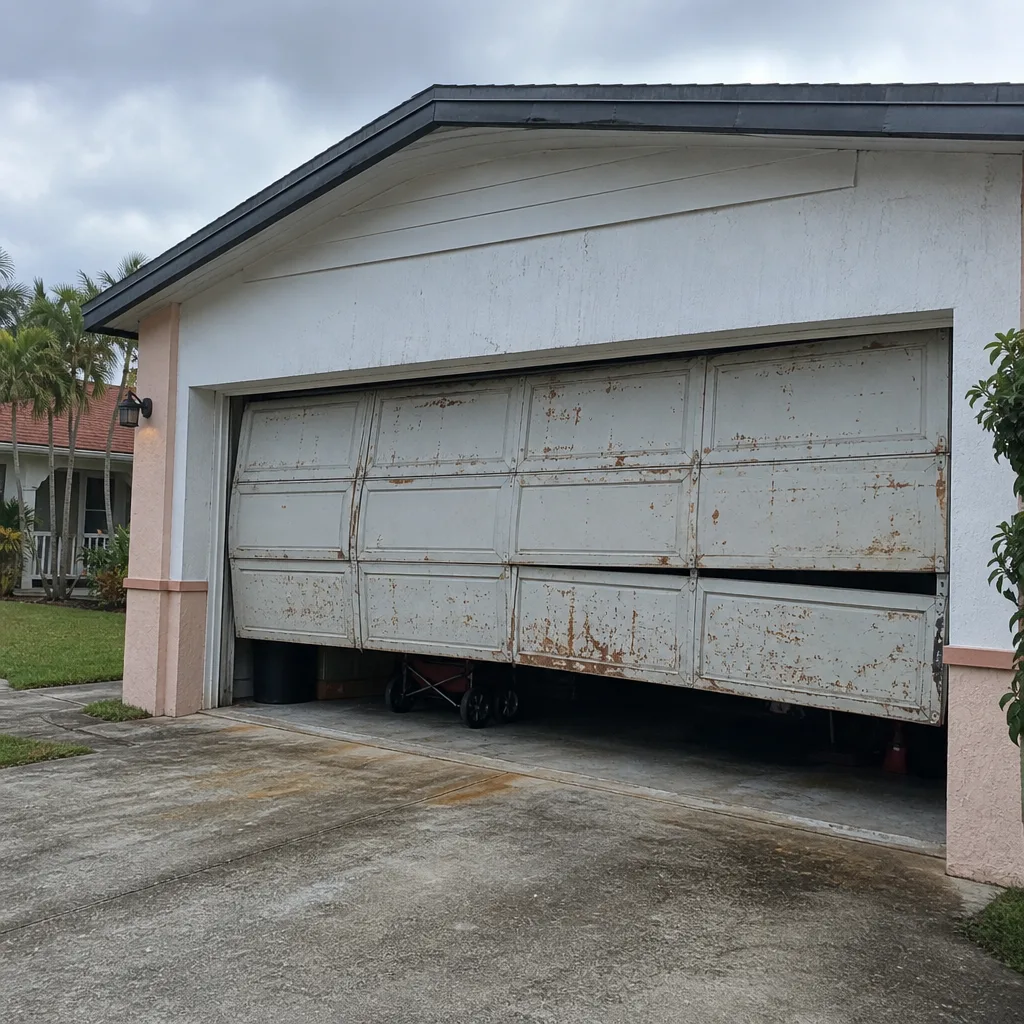 Before
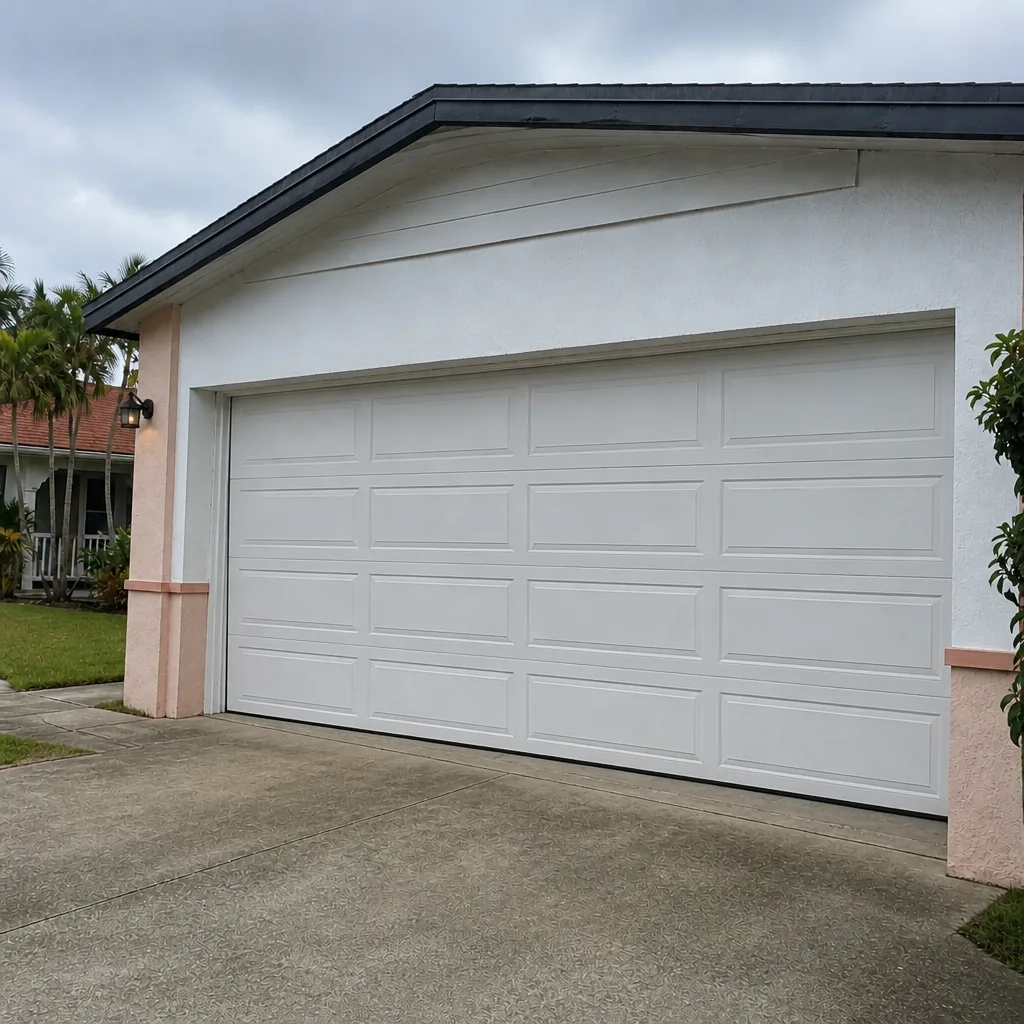 After
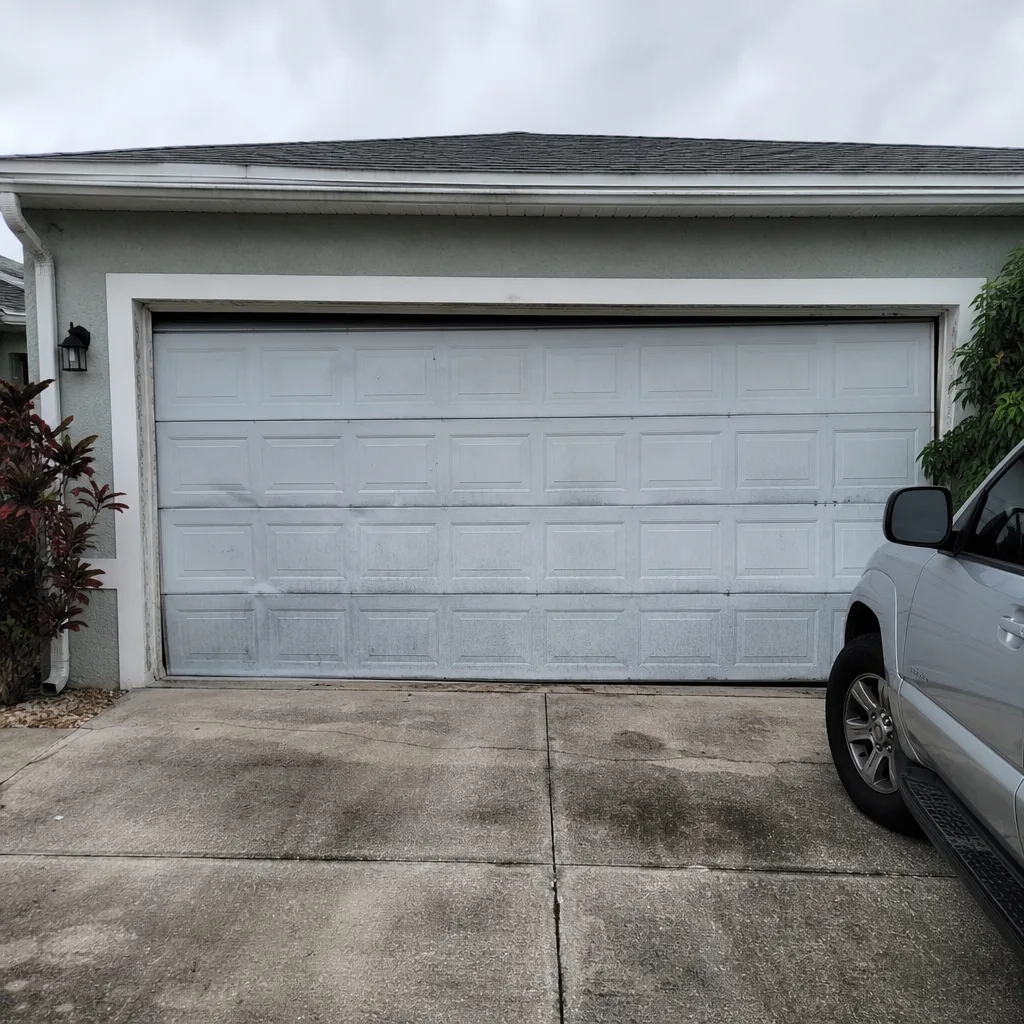 Before
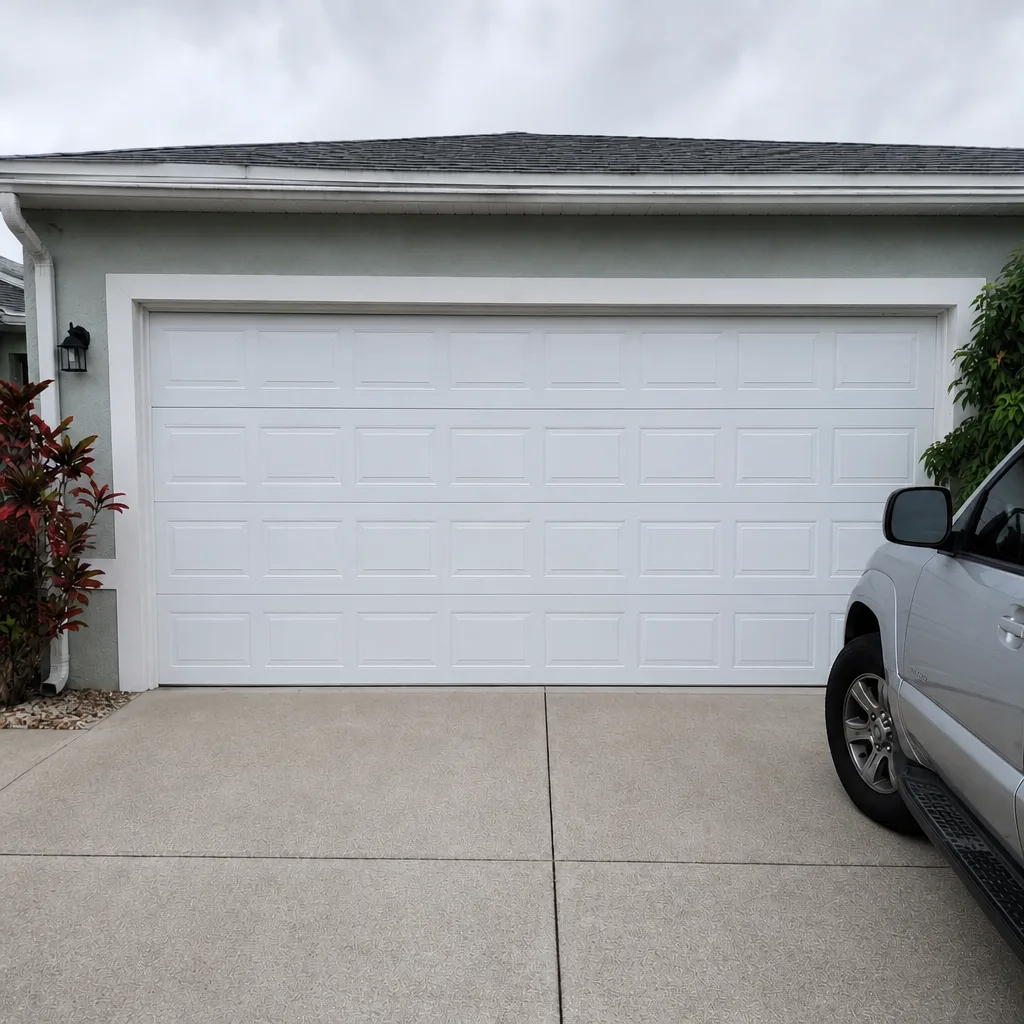 After
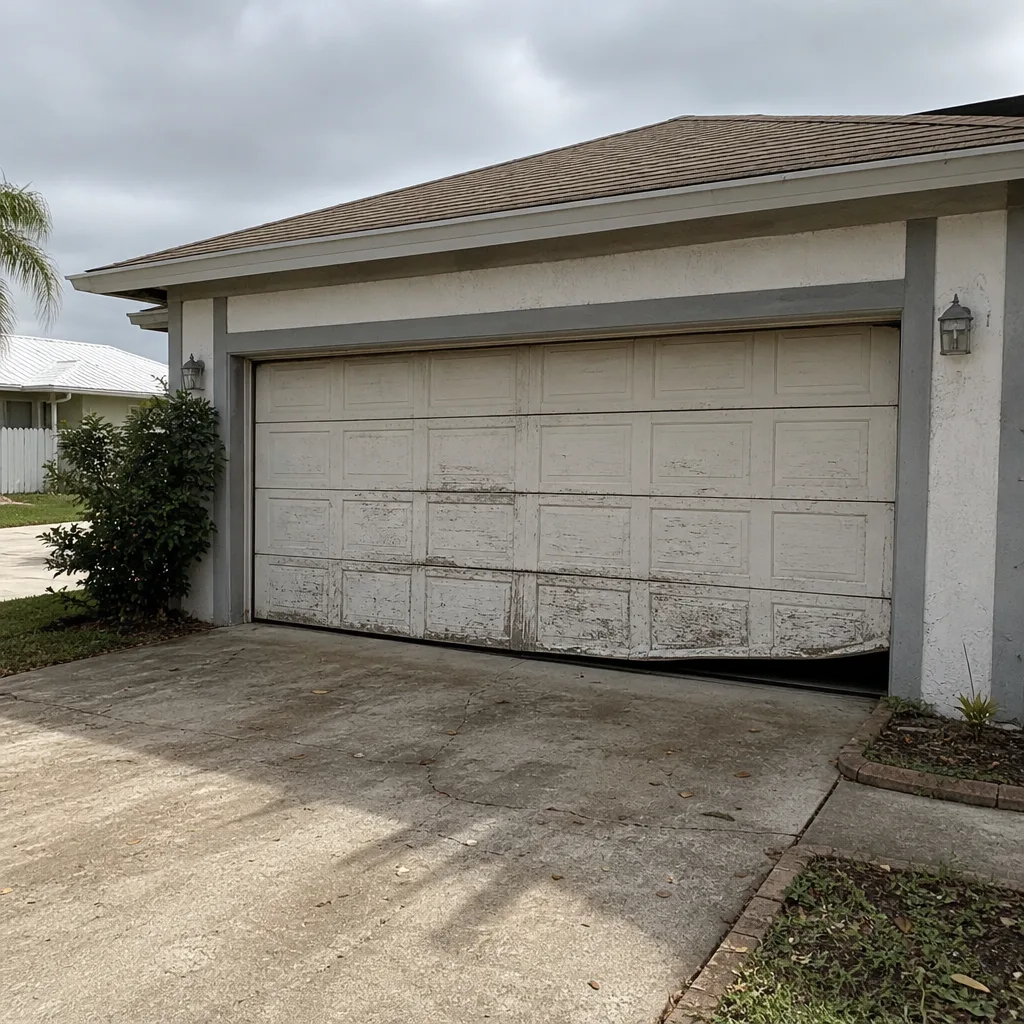 Before
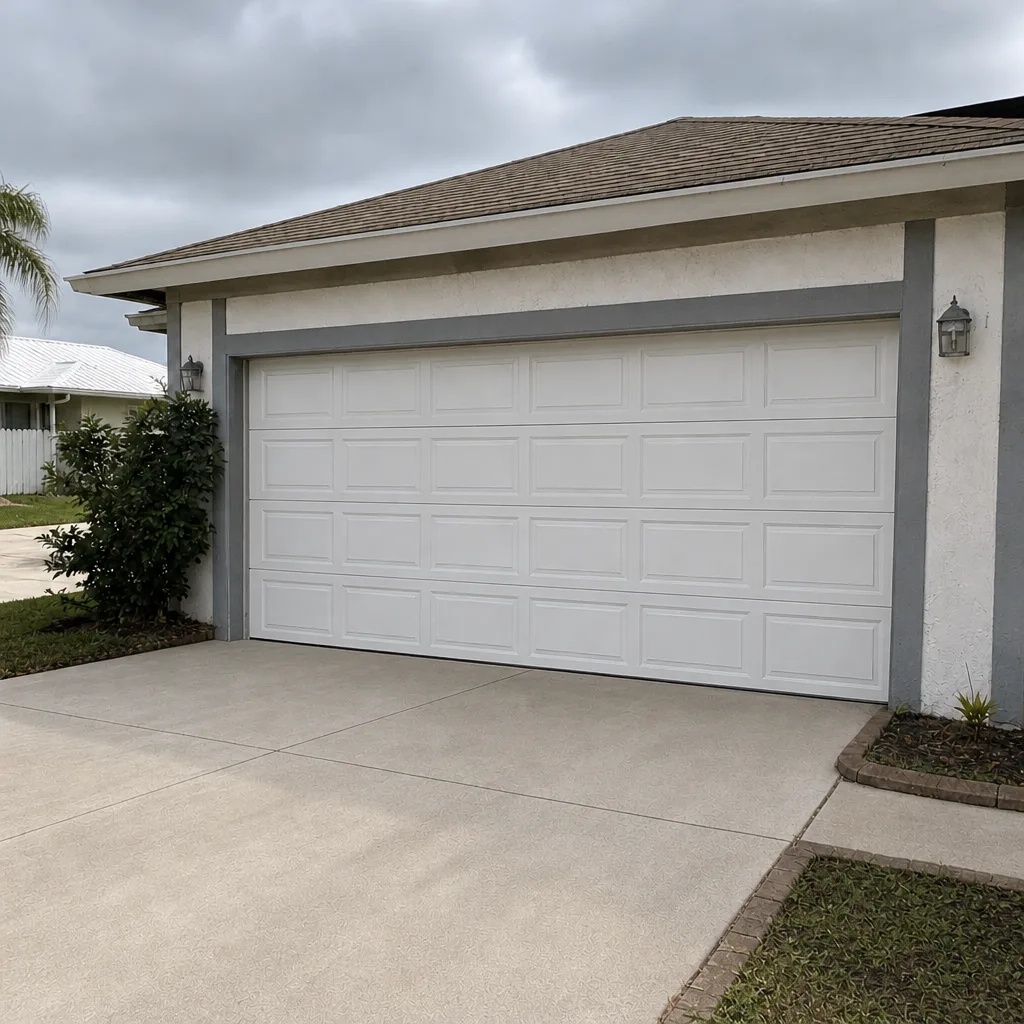 After